
Custom LCD Displays, Built Around Your Application
Most enclosures are not rectangular, most interfaces are not standard, and most environments are not a lab bench. We turn a standard module — or a blank front panel — into the exact display your product needs, and we make it in our own plant so the result is repeatable, not a one-off.
A custom display is rarely one change. It is usually a stack of small, well-specified modifications — a shaped cover glass, a different polarizer, a cable that reaches your board, a driver board that speaks your protocol, firmware that boots the right register set, and a fixture that proves every unit works. Below are the building blocks we combine, each documented on its own page.
Tailor the module to your enclosure
Mechanical and optical changes made in-house, on the same line that builds the standard part.
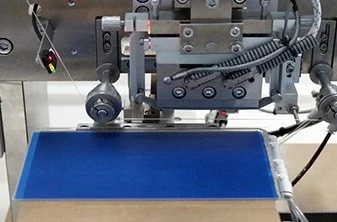
Cover Glass & Touch Lamination
Projective-capacitive touch and cover glass bonded to the module — shaped, printed and optically bonded to your front panel.
Explore →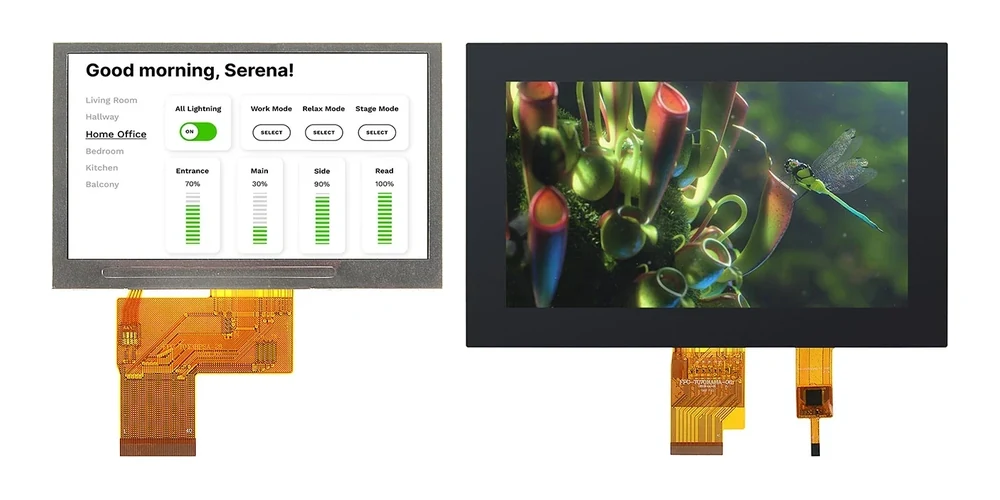
Capacitive Touch (CTP)
3.5″–15.6″ TFT modules with projective-capacitive touch built in — I2C touch over FPC, 30+ standard CTP models.
Explore →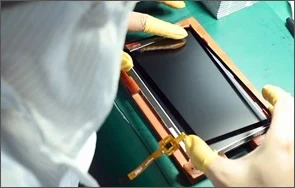
Polarizer Lamination
Wide-temperature and anti-glare polarizer stacks laminated in-house for sunlight-readable and outdoor use.
Explore →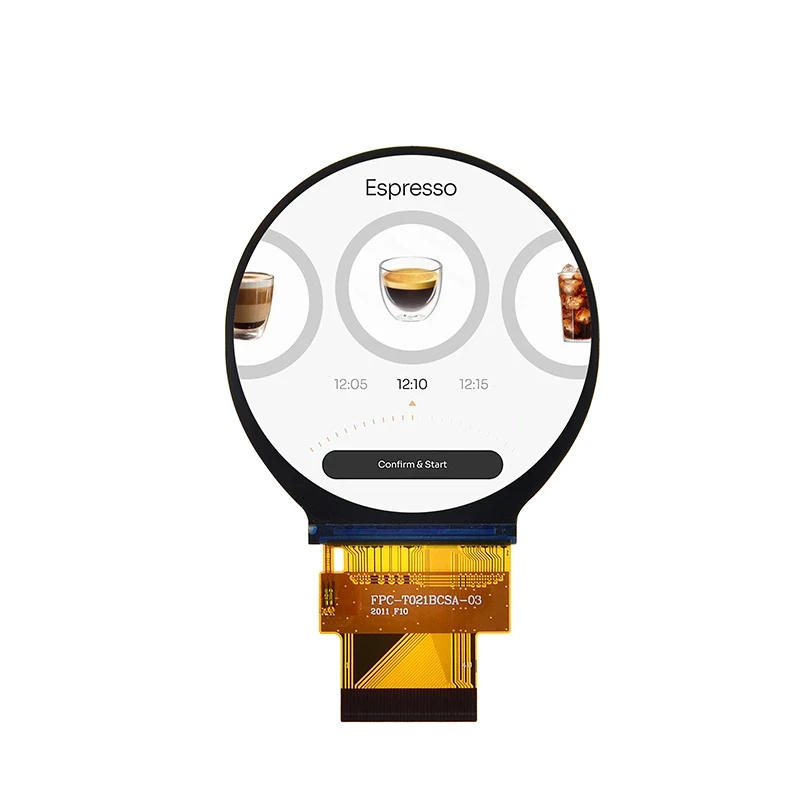
Special-Shape Displays
Round, bar-type and cut-corner TFT shapes that fit non-rectangular enclosures without a custom tooling panic.
Explore →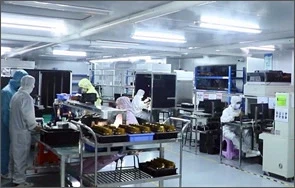
Cable & Connector
Custom FPC/FFC tails, locking connectors and harness lengths matched to your main board and routing.
Explore →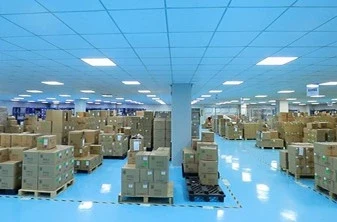
Matching Accessories
Brackets, bezels, backlights and gaskets supplied as a kitted, drop-in set — not loose parts in a bag.
Explore →
Test Jig & Fixtures
Dedicated test fixtures so every display is functionally verified against your spec before it ships.
Explore →Drive it your way
Electronics and interface options that decide how the display talks to your system.
Driver Board / PCBA
HDMI, LVDS, RGB and MCU driver boards plus made-to-print PCBA — designed and built under one roof.
Explore →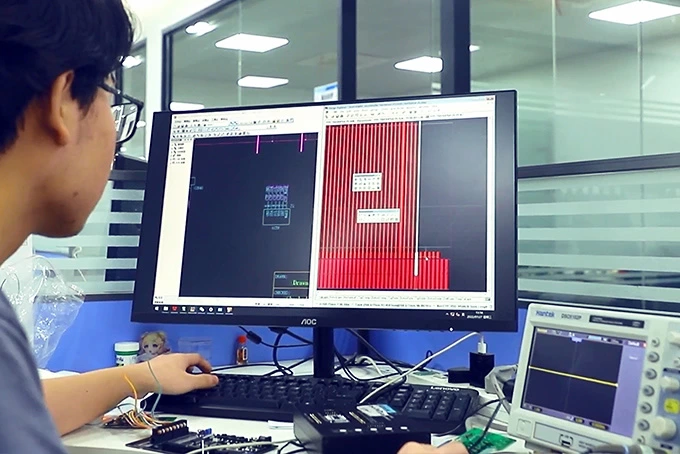
Firmware & OTP Burning
Initialization code, OTP burning and on-screen-menu tuning baked into the module before shipment.
Explore →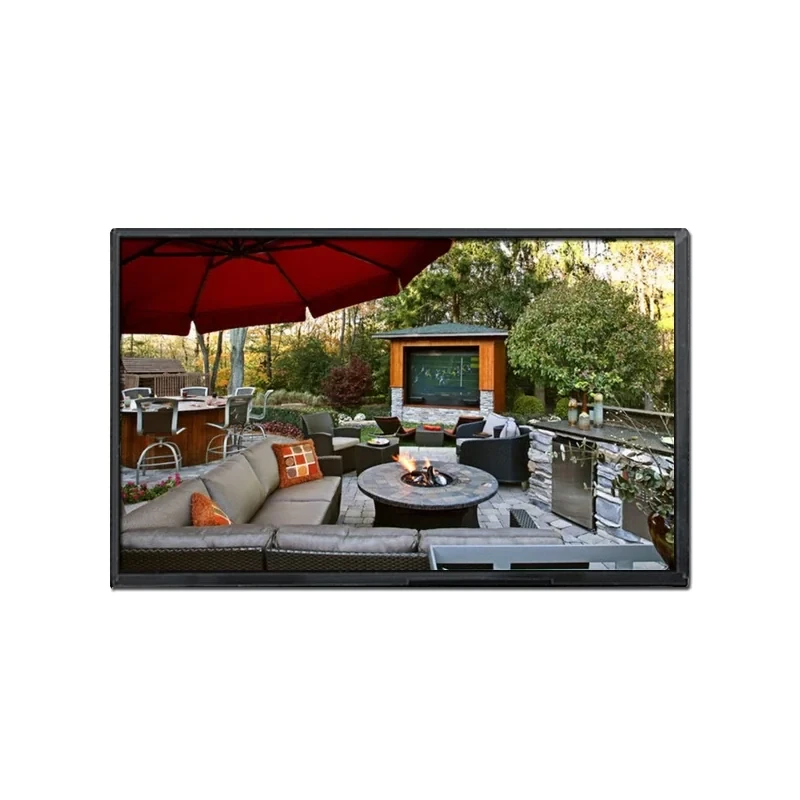
HDMI / VGA Kits
Plug-and-play HDMI/VGA display kits for fast prototypes, kiosks and field-replaceable builds.
Explore →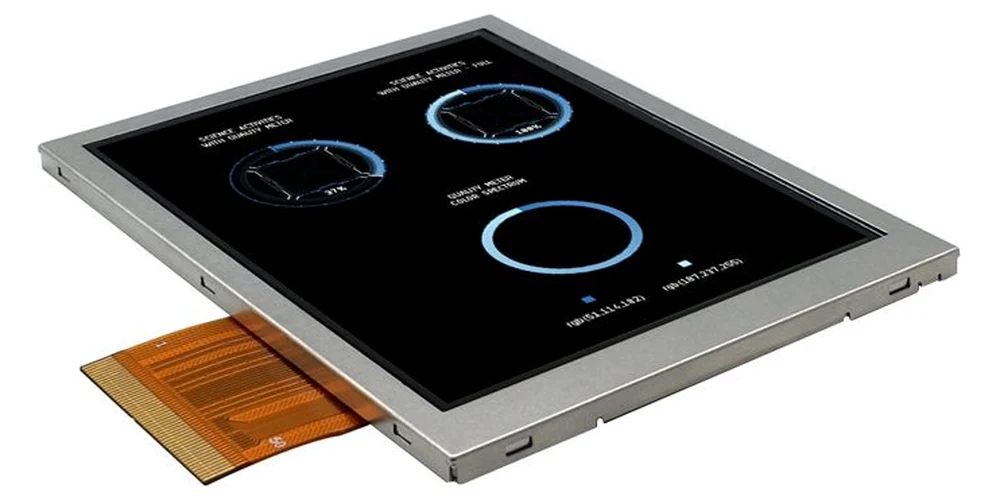
MCU Interface
8080 / I2C / SPI MCU interfaces for resource-limited embedded controllers and small footprints.
Explore →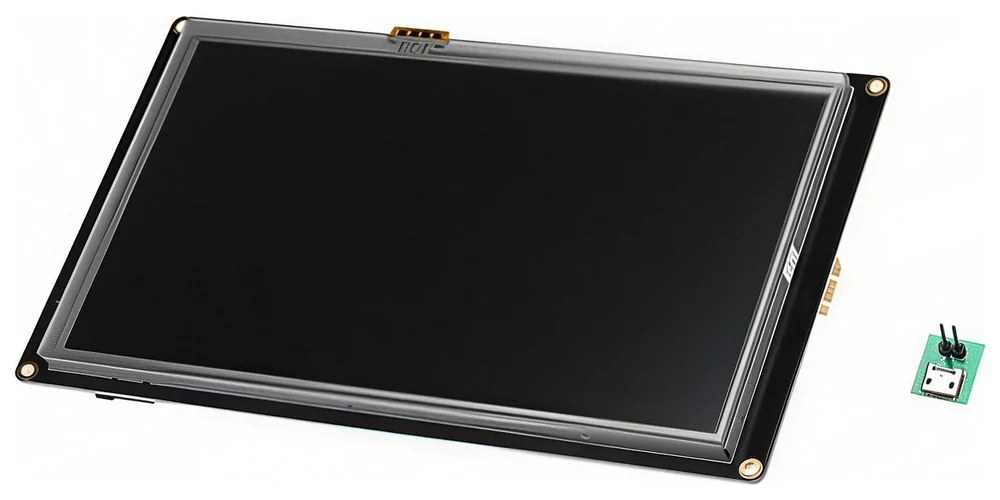
UART / Serial
Serial (UART / RS-232 / RS-485) smart displays with a built-in command set for quick integration.
Explore →What a Custom Display Manufacturer Actually Controls
The useful question for a buyer is not whether a company calls itself a manufacturer — it is which parts of the display that company controls. A custom display manufacturer that owns the glass mask for the module can change the cell, the polariser and the backlight geometry without asking anyone else. One that does not own it is limited to assembling what other people make, which caps how far a project can go before the design has to be re-negotiated with a third party.
Four capabilities decide most outcomes in custom display work. In-house cover glass and touch integration decide how the finished module looks and how it behaves under a finger. Firmware and initialisation ownership decide whether the display boots correctly on your hardware without a bespoke driver on your side. Mechanical and optical integration decide whether the module fits the enclosure you have already tooled. And a maintained catalogue of 193 standard part numbers decides whether a custom project is a one-off or the start of a production programme that has to keep shipping in five years.
Where Customisation Pays Off — and Where It Does Not
| If you need to change… | It is worth customising when | Usually not worth it when |
|---|---|---|
| Cover glass size and shape | Your enclosure and bezel are already fixed and the glass must match | A standard panel with a bezel redesign would do |
| Touch configuration | The glove, stylus or wet-hand use case is unusual | Standard capacitive touch meets the requirement |
| Interface and timing | Your host has a specific controller and no display engine | The host supports a common interface with several panel options |
| Firmware behaviour | Boot sequence, sleep, wake and update behaviour are product-defining | Default behaviour is acceptable to your application |
| Optical stack | The device is outdoors, heated from behind, or viewed through a dark filter | The installation is indoors and shaded |
Matching RONEN Standard Models
Customisation usually starts from a standard module, because that is where the risk is lowest and the lead time is shortest. These are the part numbers most often used as the starting point for private mould, glass and touch work — all stocked, all with full factory datasheets:
- RG-T070BAHA-02 — 7.0″ 1024x600 IPS, 1000 cd/m², -20 to +70 °C, LVDS
- RG-T043BPSA-02 — 4.3″ 480x272 IPS, 1000 cd/m², -20 to +70 °C, RGB
- RG-T050BWSA-02 — 5.0″ 800x480 IPS, 1000 cd/m², -20 to +70 °C, RGB
- RG-T101BFHA-01 — 10.1″ 1920x1200 IPS, 1200 cd/m², -20 to +70 °C, LVDS
- RG-T121BIHA-01 — 12.1″ 1280x800 IPS, 1000 cd/m², -20 to +70 °C, LVDS
- RG-T156BFHWA-02 — 15.6″ 1920x1080 IPS, 1000 cd/m², -30 to +80 °C, LVDS
- RG-T035HLSWA-01 — 3.5″ 320x240 IPS, 1200 cd/m², -30 to +85 °C, RGB
- RG-T028BQSA-01 — 2.8″ 240x320 IPS, 500 cd/m², -20 to +70 °C, RGB / SPI / MCU
Frequently asked questions
What makes a display "custom" rather than a catalogue part?
The mould, the glass, the touch stack, the firmware or the mechanical integration is changed for your application. Most projects start from a standard module and customise one layer, because that keeps the risk and the lead time down.
Can a custom display manufacturer modify a standard module?
Yes, and that is usually the right starting point. Customising a stocked module means the panel, the cell and the qualification are already solved, and only the layer your application needs is new.
How long is a custom display programme supported?
Named standard part numbers carry supply continuity of 5+ years. For custom parts we keep the tooling, the glass and the firmware under control so that a re-order years later is a re-order rather than a redesign.
What do you need from us to start a custom display project?
The application, the enclosure or bezel drawing, the host interface and its voltage levels, the operating temperature range, the brightness needed, the glass and touch requirements, and the production volume you have in mind. Our application engineers reply with a feasible route and any tooling implications.
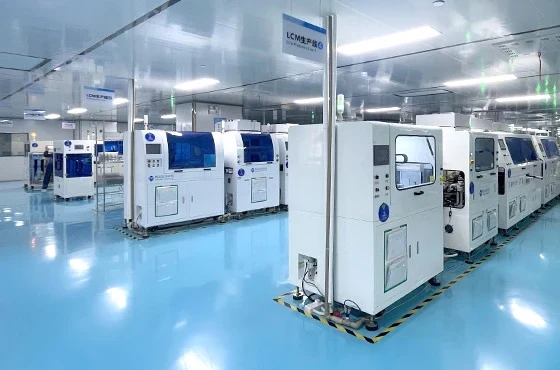
Made in our own Zhaoqing plant
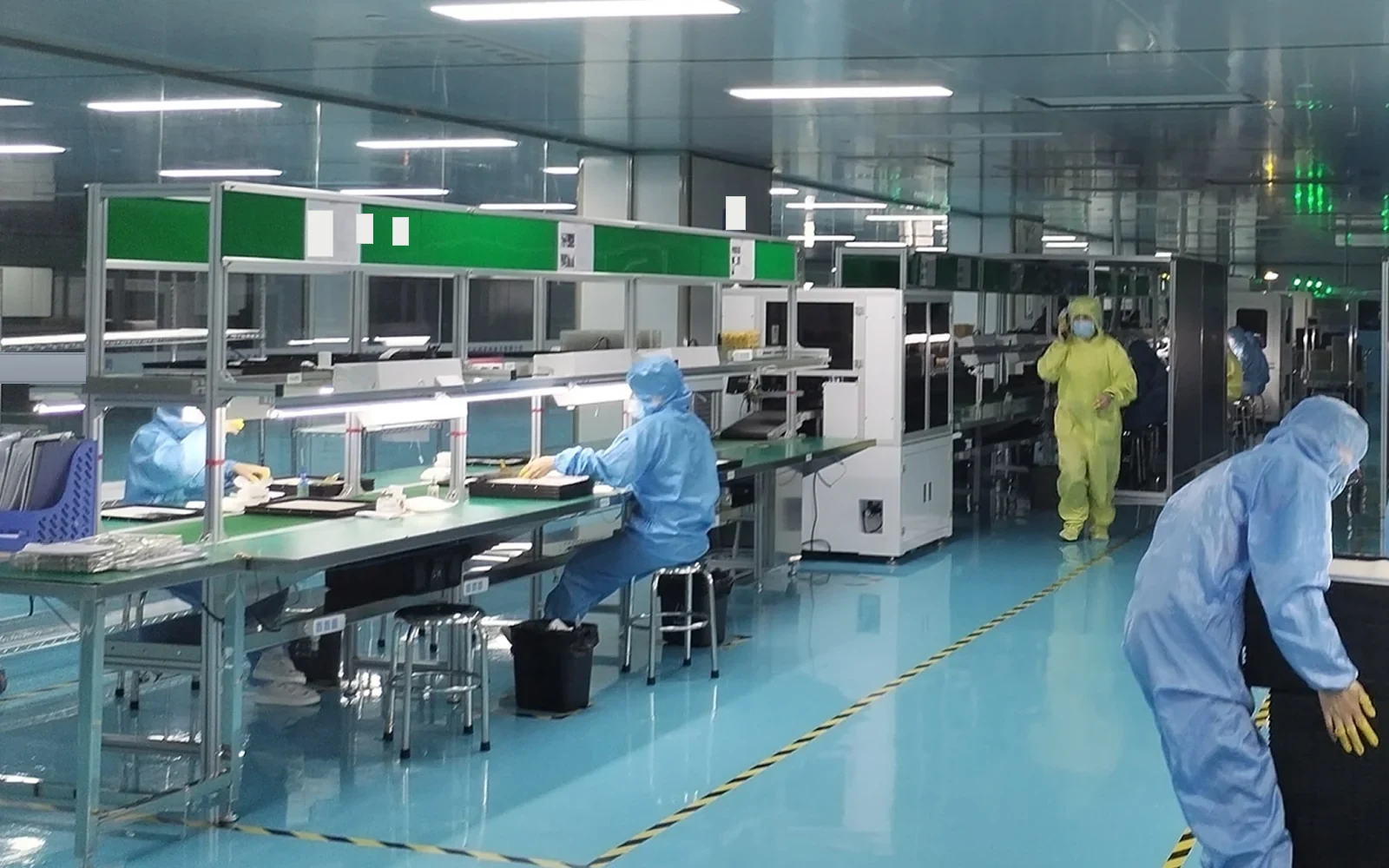
This is not a trading company reselling someone else's panels. Lamination, bonding, driver-board assembly and final test happen on our own lines, which is why a custom variant stays consistent across a 50k-piece run.
Not sure which building blocks you need?
Send the enclosure drawing, interface and environment — we map it to a concrete module + modification list, then ship samples for cross-check before volume.