
Sunlight Readable TFT Displays — High-Brightness Selection
Our sunlight-readable TFT displays deliver 800–1500 cd/m² brightness with anti-glare and transflective options for outdoor and high-ambient-light environments. Choose from 34 high-brightness standard models, or specify a custom backlight for your application.
- 34 standard high-brightness models from 800 to 1500 cd/m²
- Anti-glare (AG), anti-reflection (AR) and transflective treatments
- Built for outdoor kiosks, marine, fuel-dispenser and handheld use
- Custom brightness and optical bonding available
41 standard models in this family
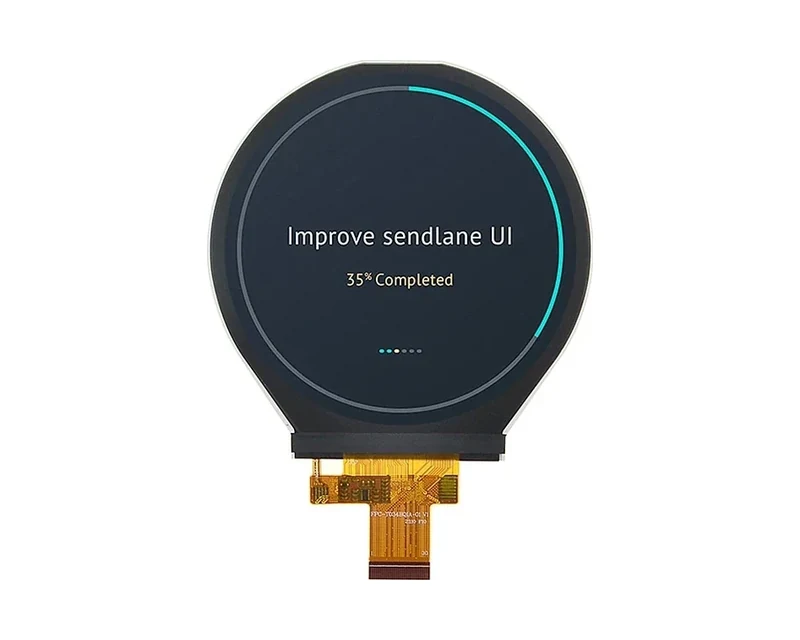
RG-T034BOIA-01
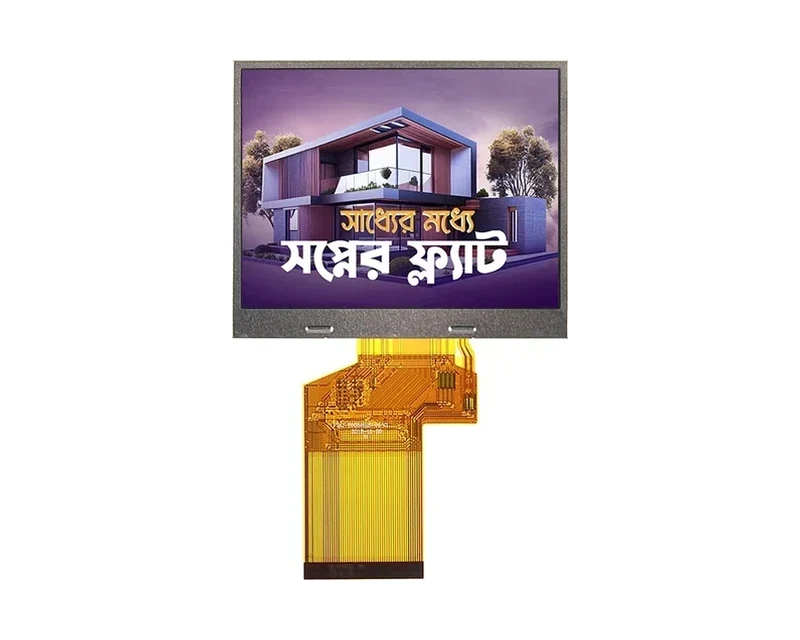
RG-T035HLS-02
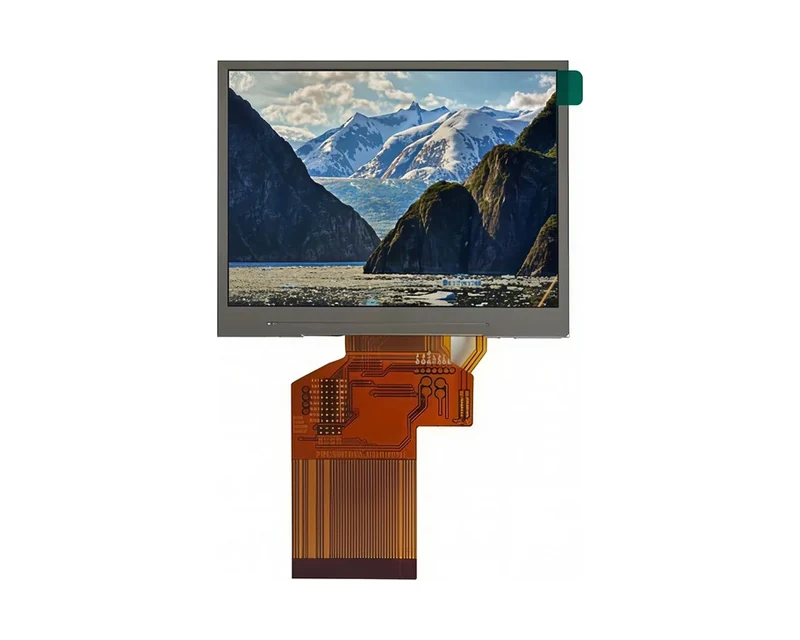
RG-T035HLWSA-01
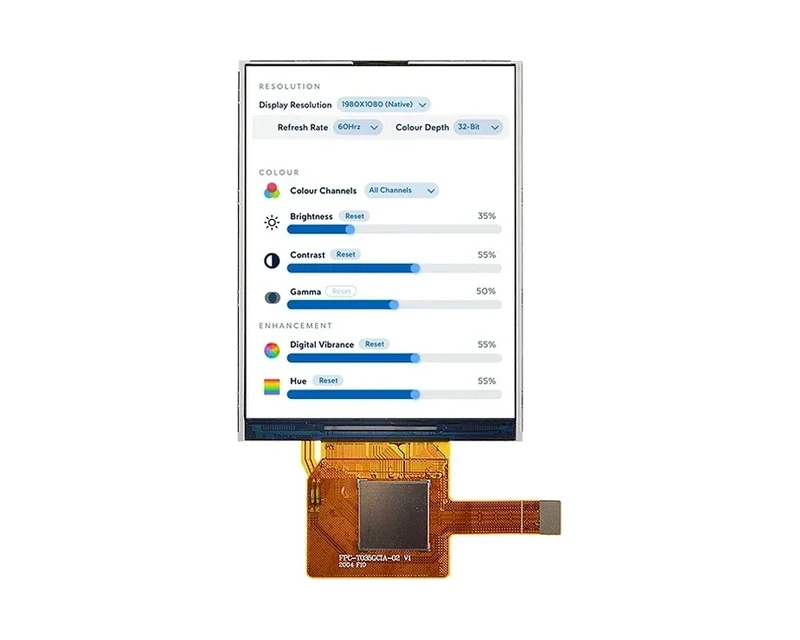
RG-T035GCIA-02
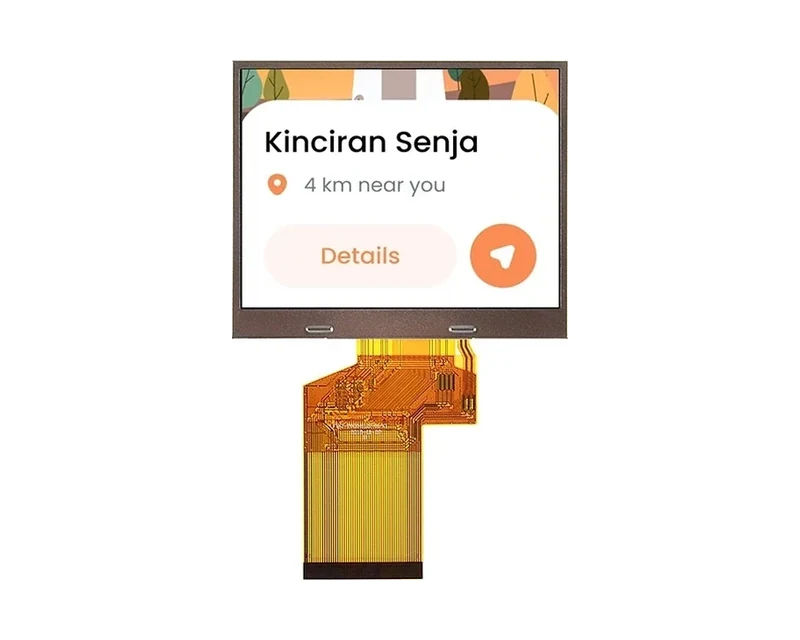
RG-T035HLSWA-01
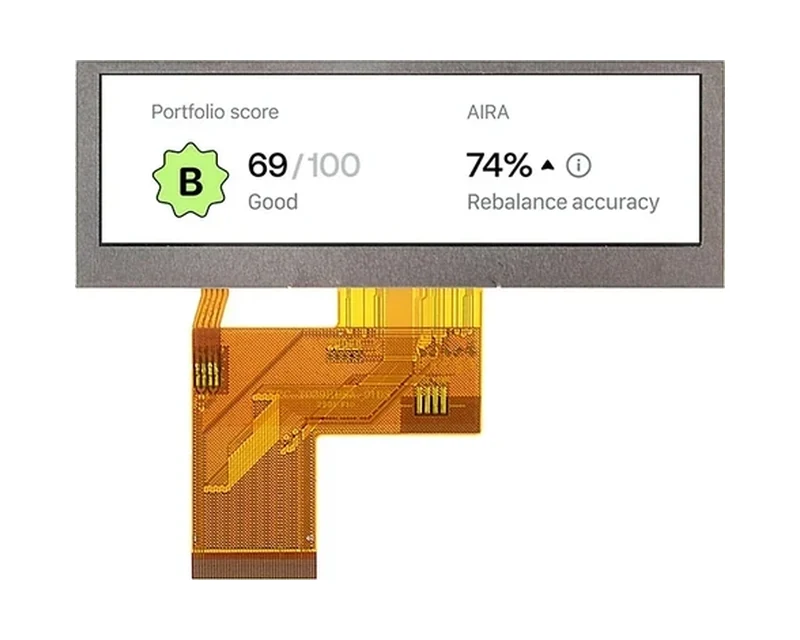
RG-T039BPSA-01
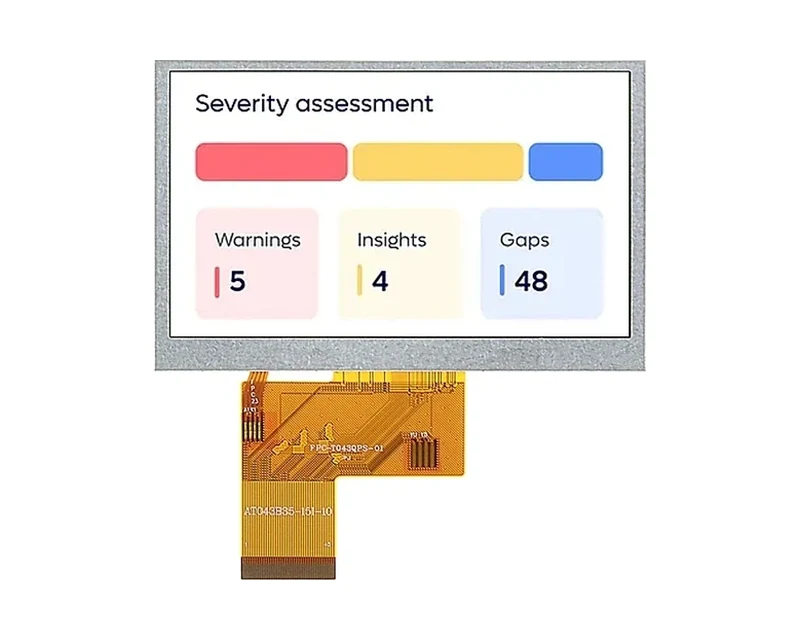
RG-T043QPS-02
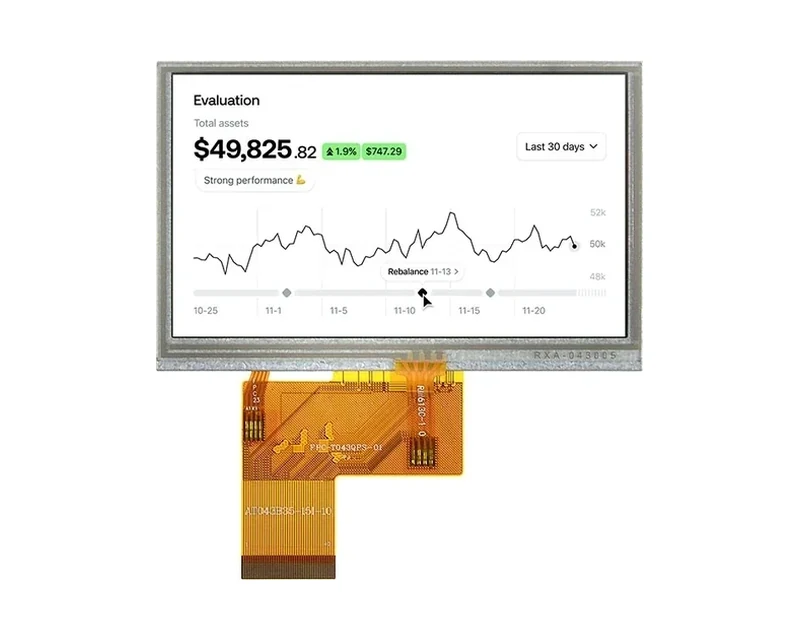
RG-T043QPS-02P
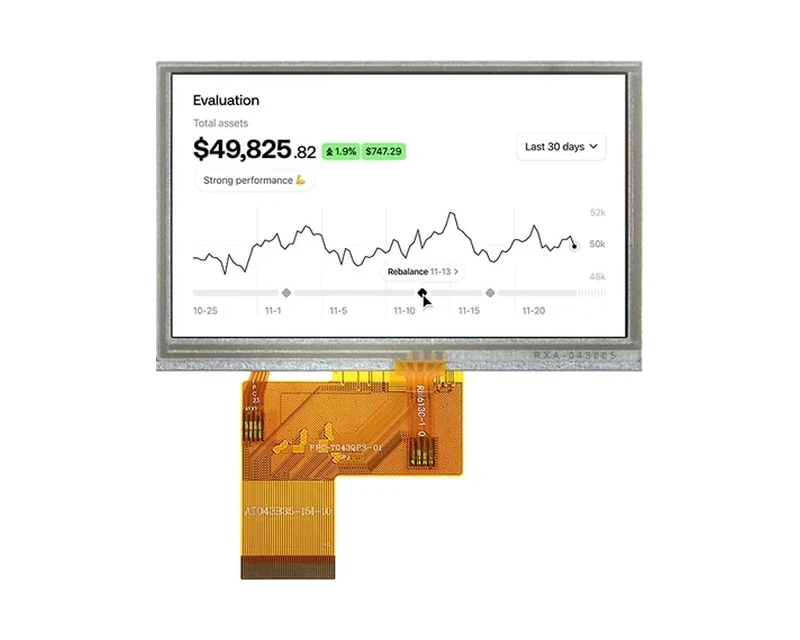
RG-T043QPS-02CA
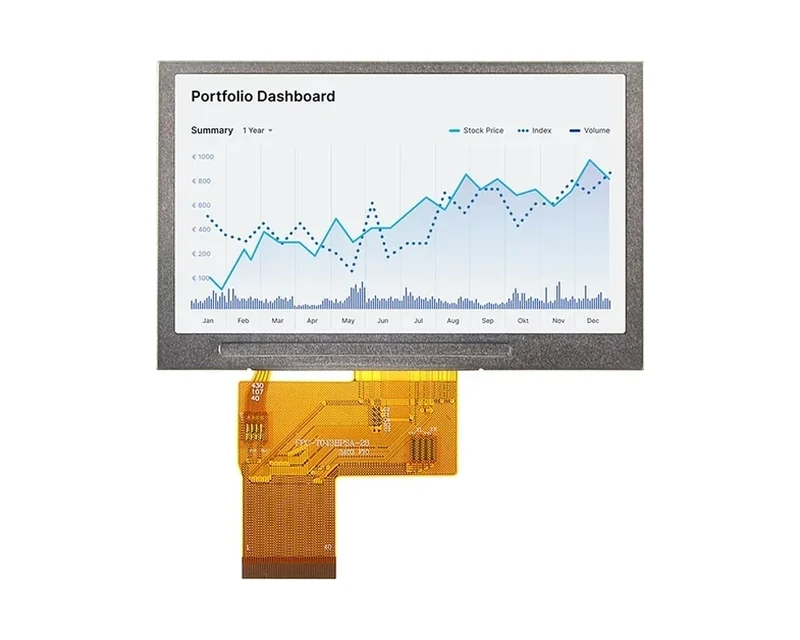
RG-T043BPSA-02
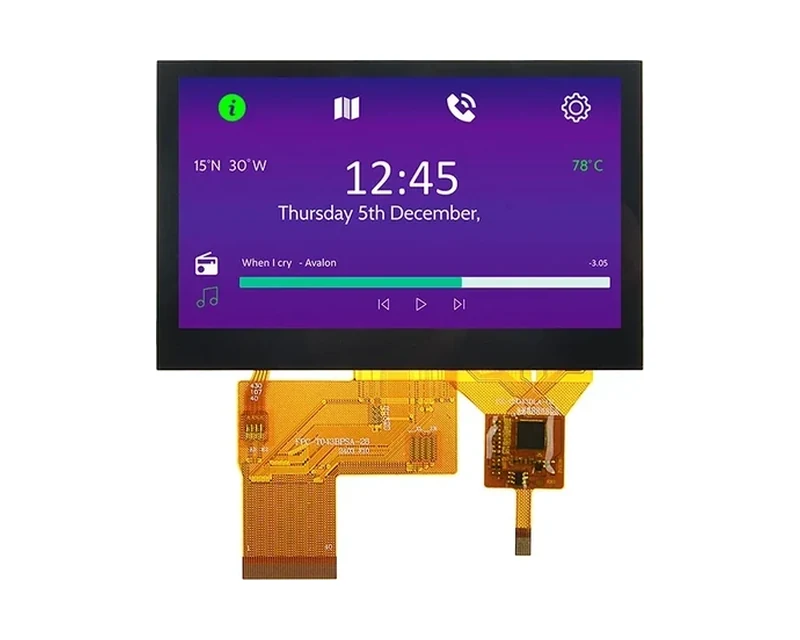
RG-T043BPSA-02CP
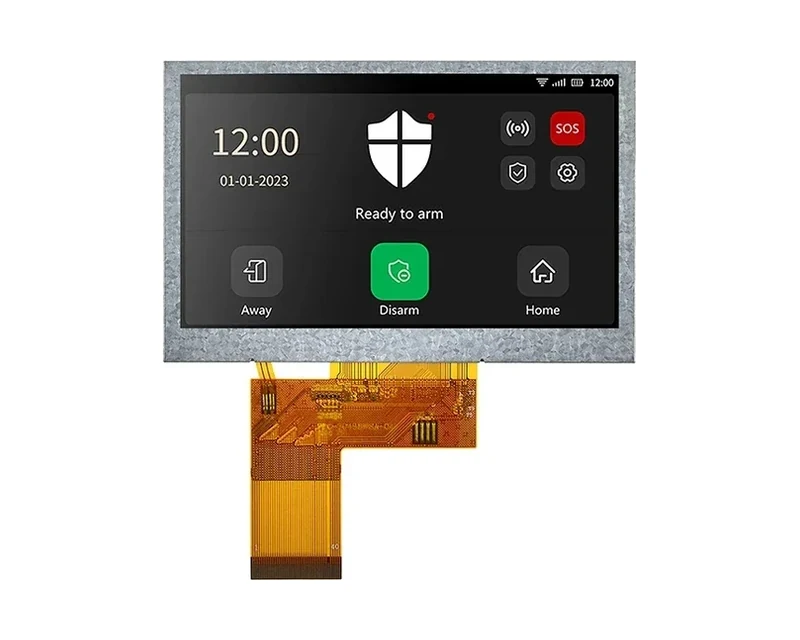
RG-T043BWSA-02
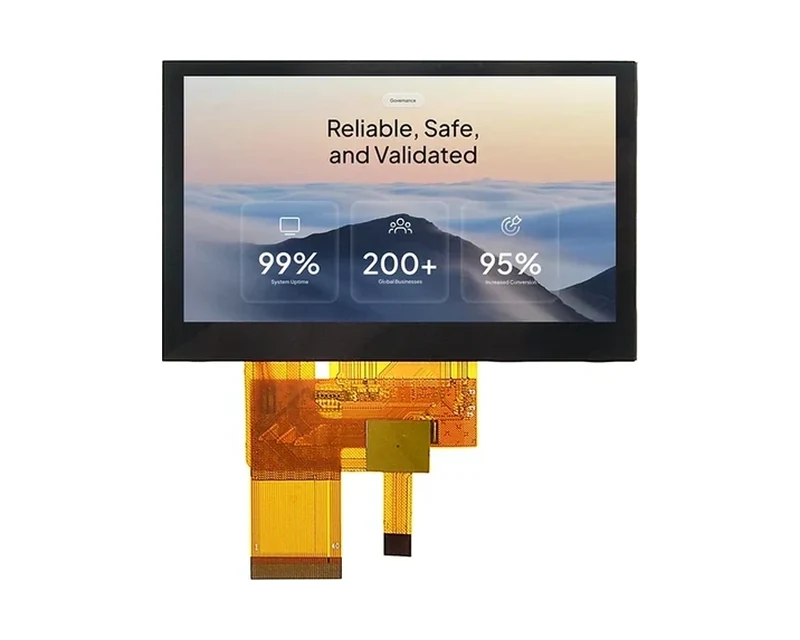
RG-T043BWSA-02CP
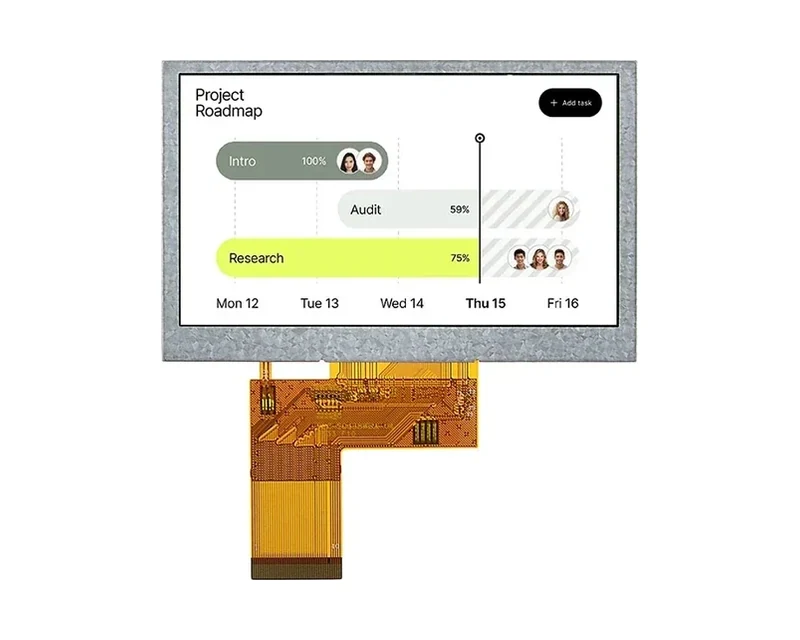
RG-T043BWSWA-02
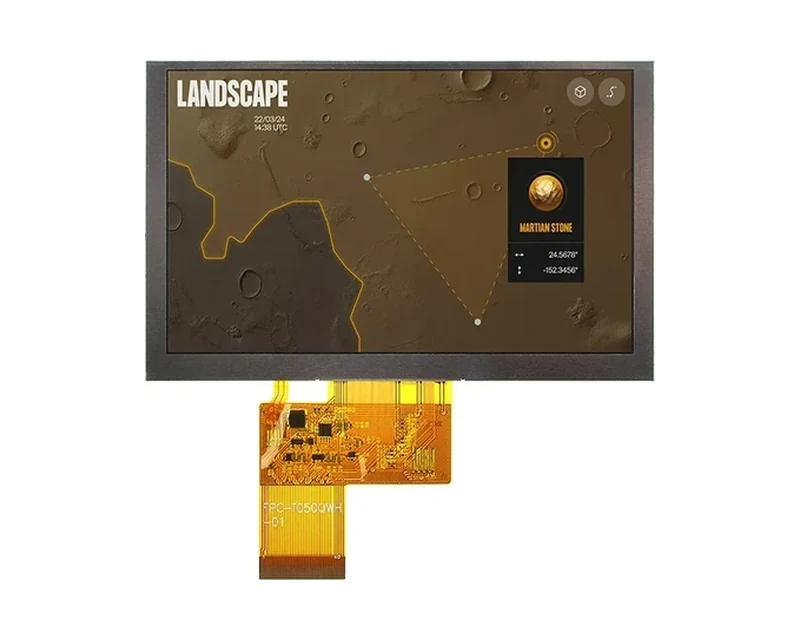
RG-T050QWH-05
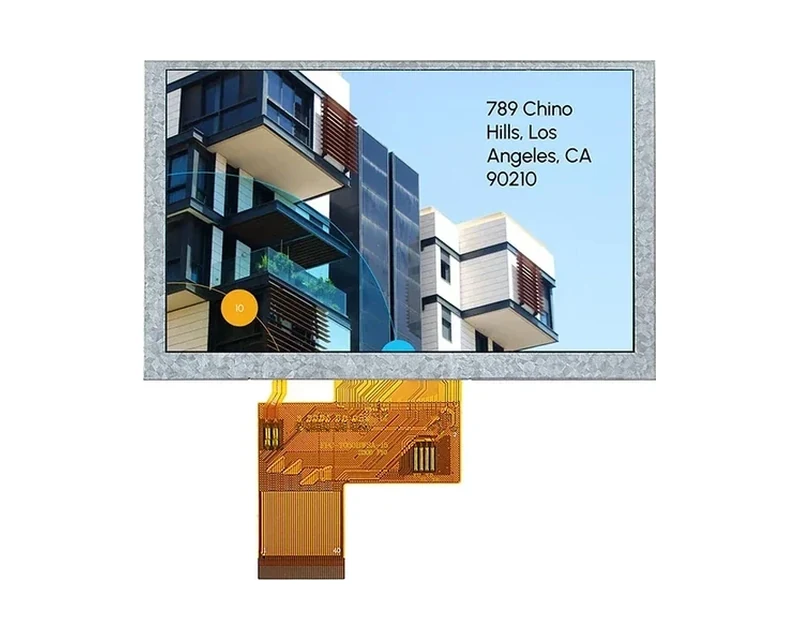
RG-T050BWSA-02
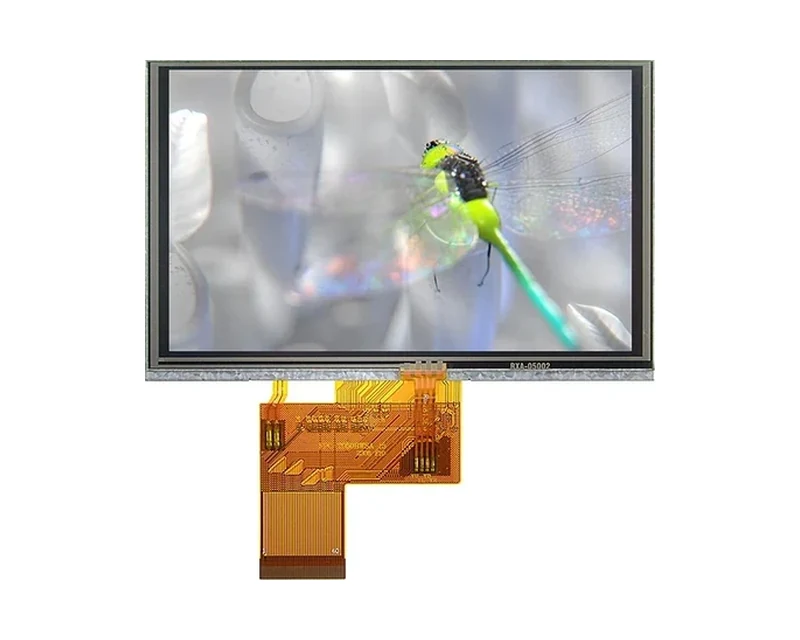
RG-T050BWSA-02P
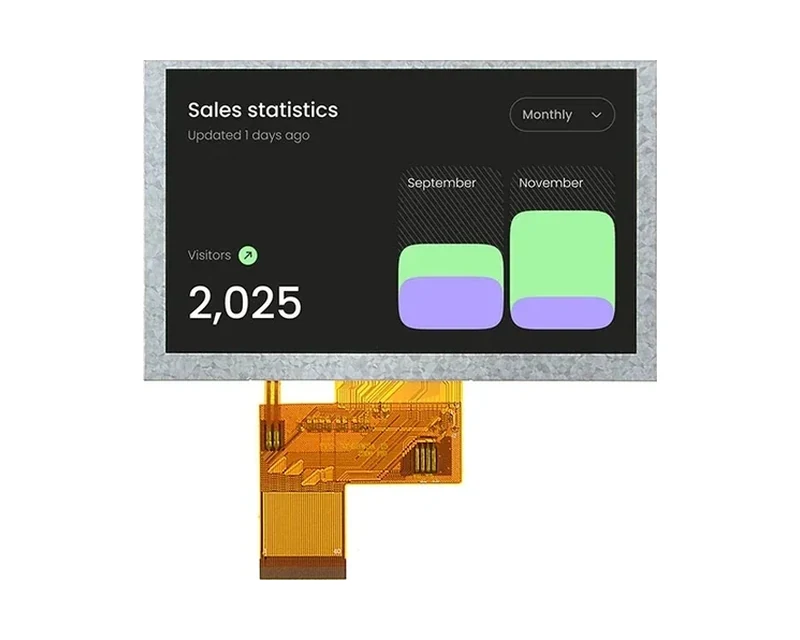
RG-T050BWSWA-02

RG-T050BWSWA-02CP

RG-T050BWSWA-02CA
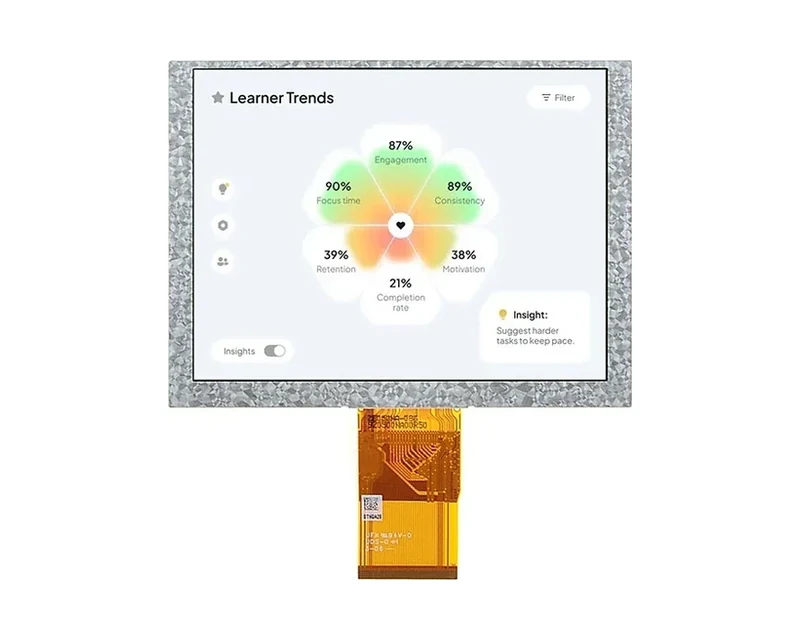
RG-T050QGH-02
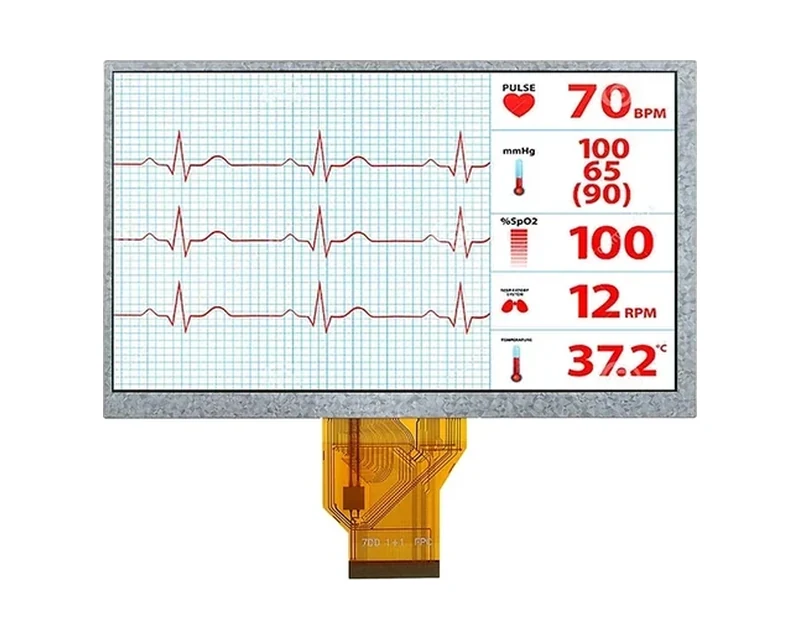
RG-T070SWH-19
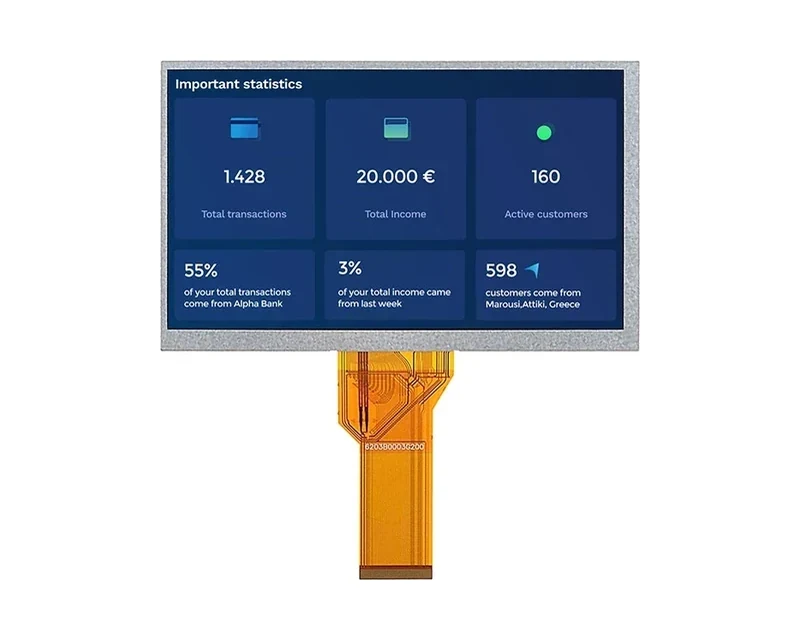
RG-T070QWHW-02
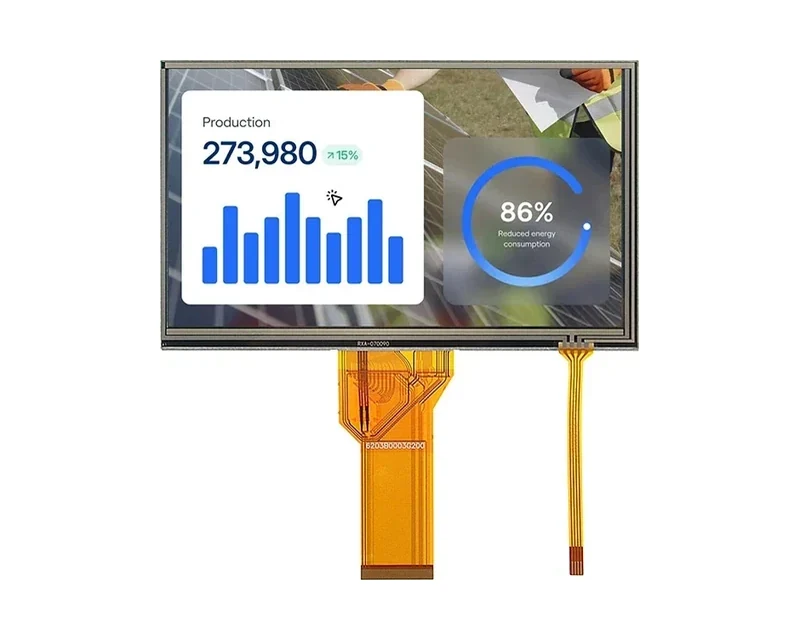
RG-T070QWHW-02P
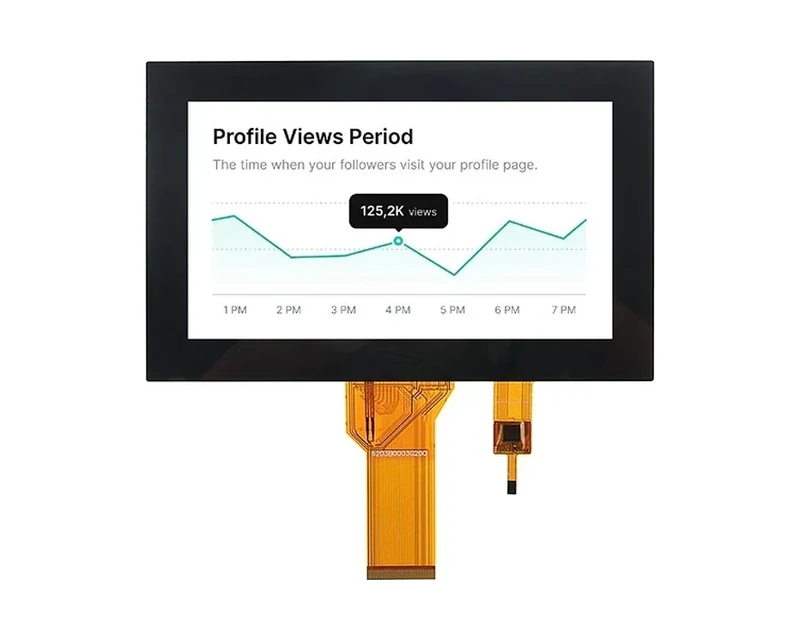
RG-T070QWHW-02CA

RG-T070SWHWA-01
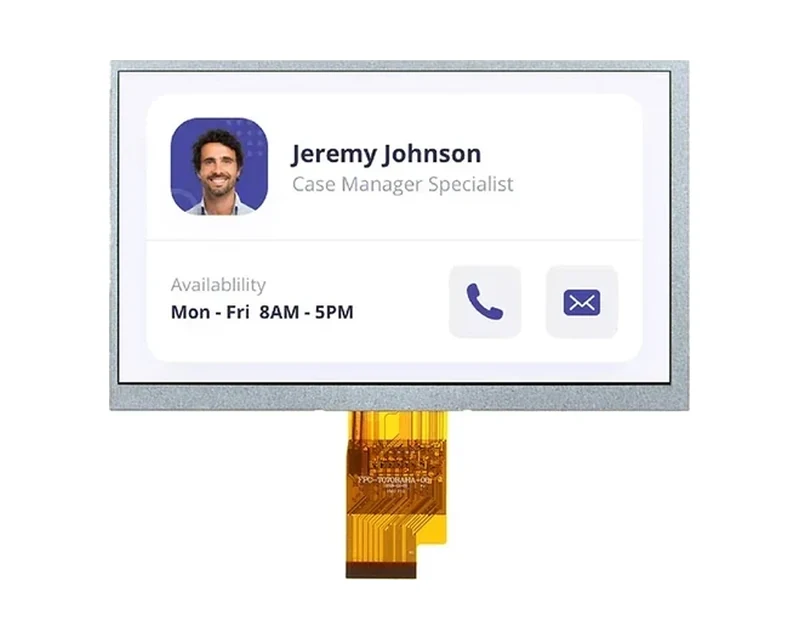
RG-T070BAHA-02
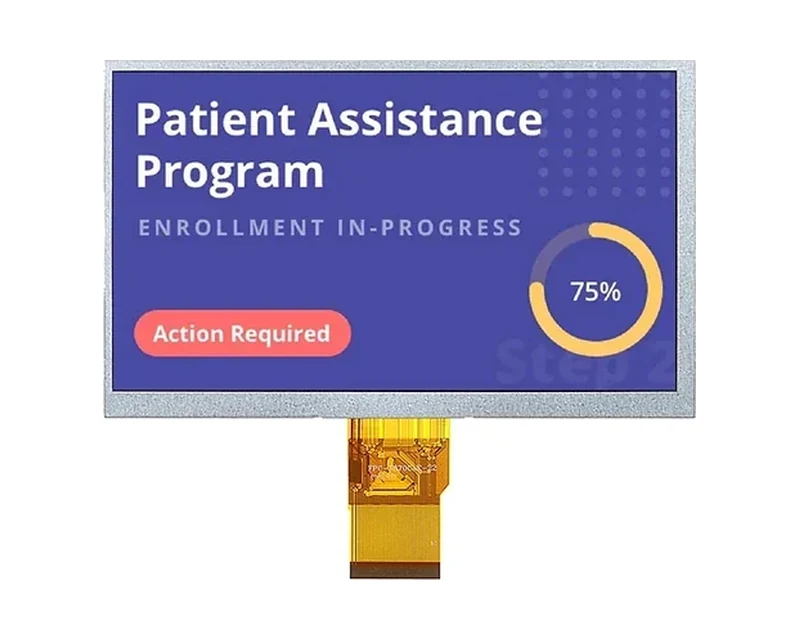
RG-T070BAHA-04
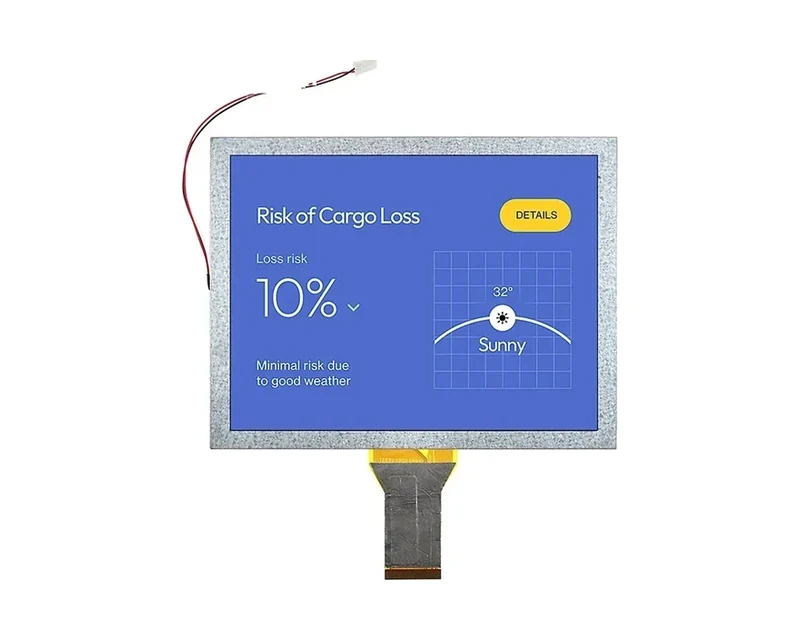
RG-T080QGH-09
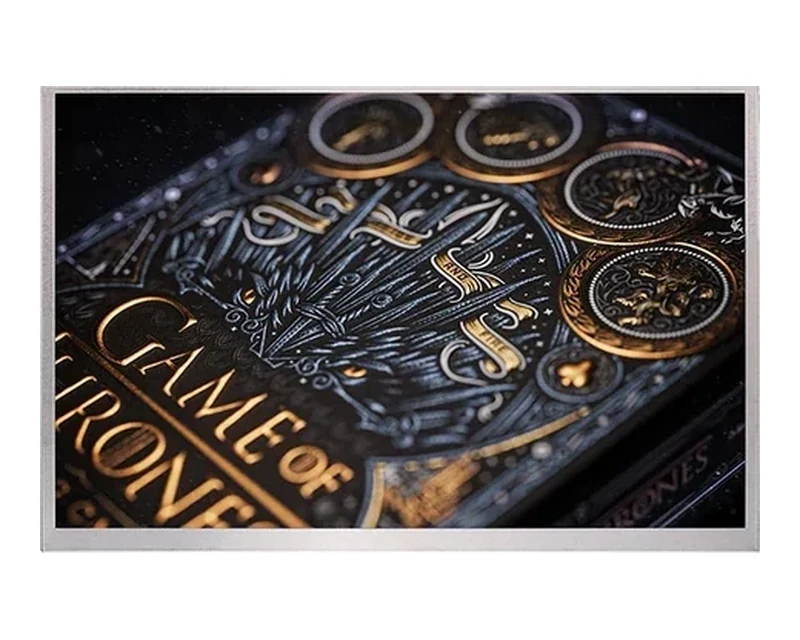
RG-T101HIEWA-01
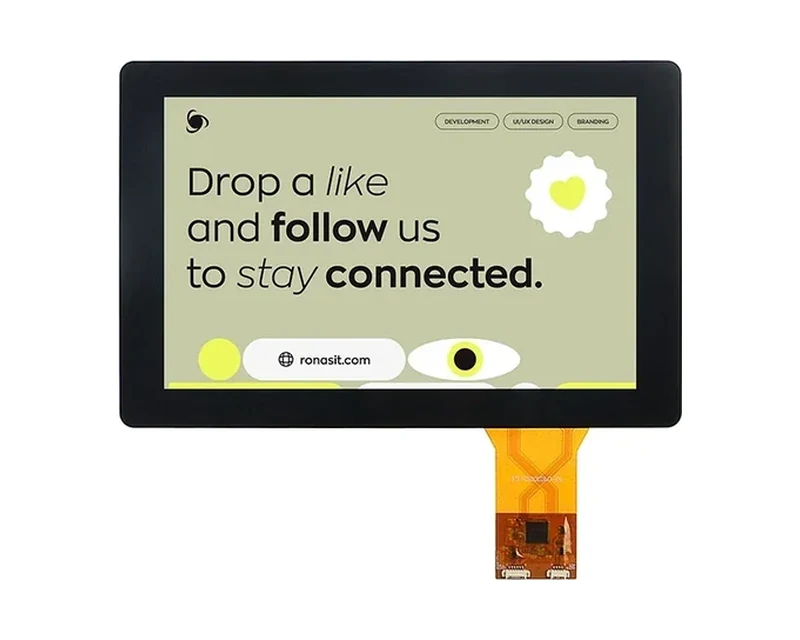
RG-T101HIEWA-01CP

RG-T101HIEWA-03
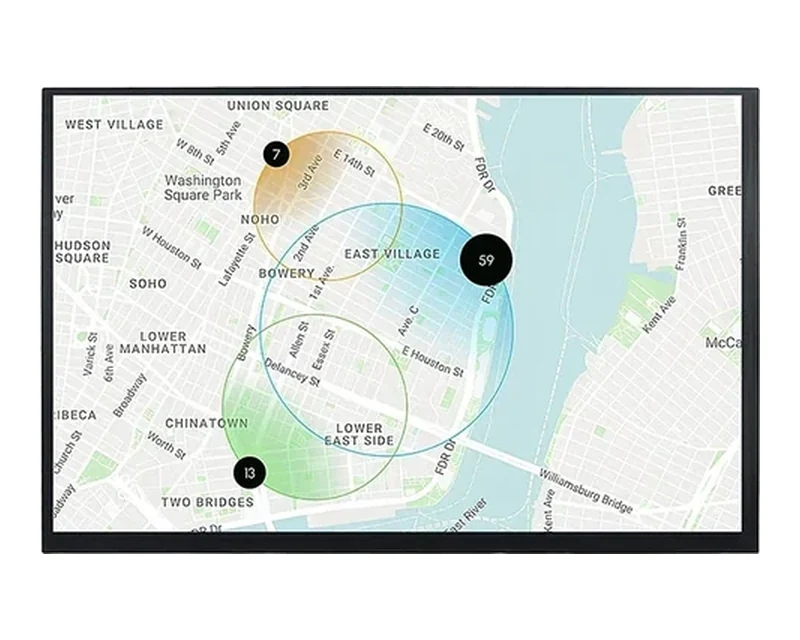
RG-T101BFHA-01
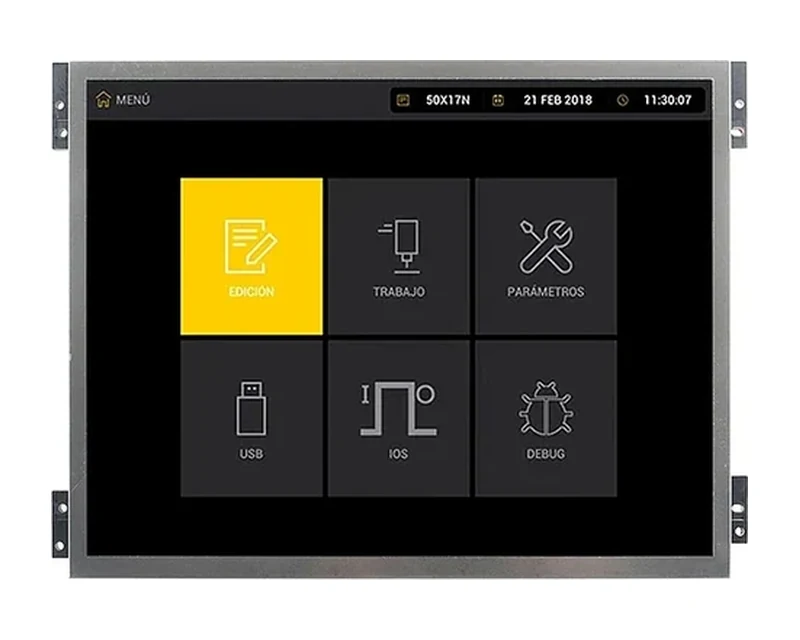
RG-T104QXHA-03
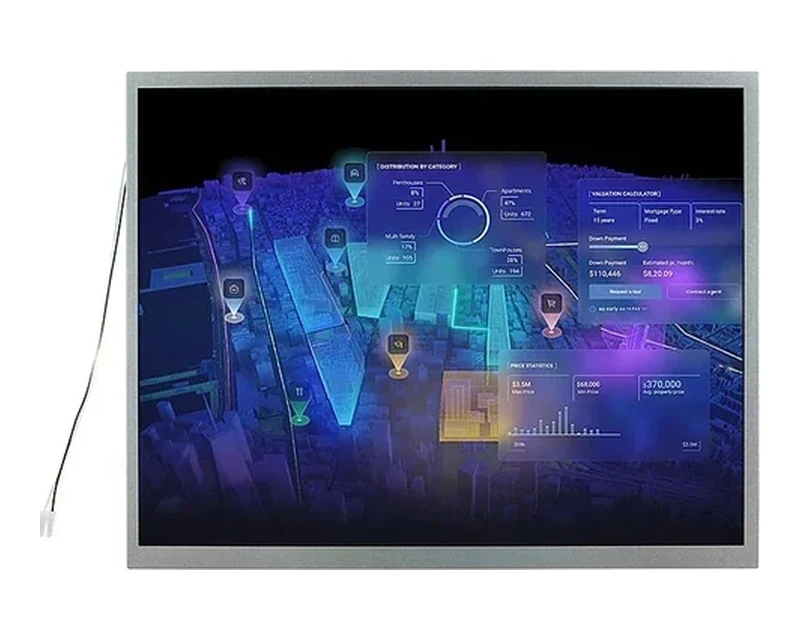
RG-T121QXHA-01
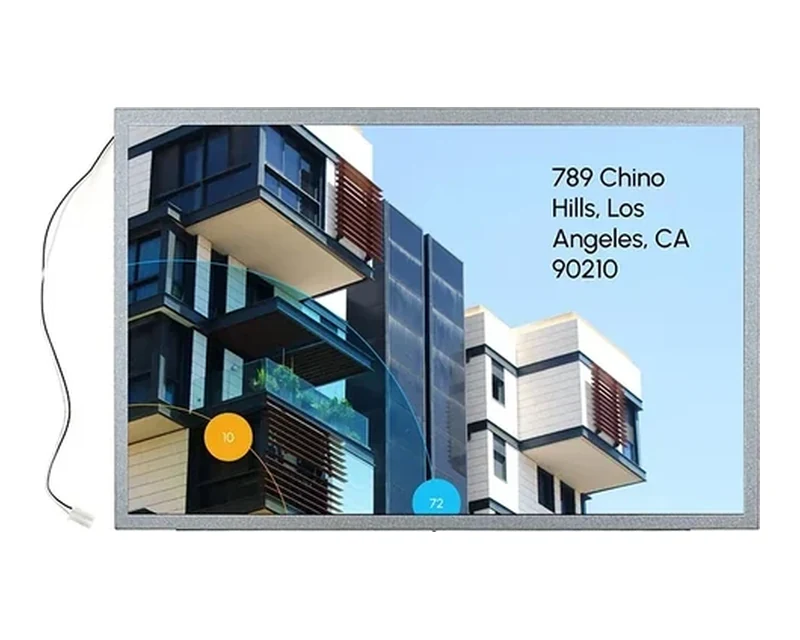
RG-T121BIHA-01
RG-T156QFHWA-01
RG-T156BFHWA-02
RG-T156BFHWA-02CP
RG-T185BFHWA-02
RG-T215BFHA-02
Can’t find the exact model you need?
This is a standard model, and our online catalog shows only part of what we build. We hold additional models not listed here, and we can adjust brightness, interface, touch or outline within an existing product family, or evaluate a fully custom solution. If this model does not fully match your requirements, please email your specifications to sales@odmlcd.com. We’ll help you identify the right part or assess a custom option.
What Actually Makes a Display Sunlight Readable
Buyers often treat sunlight readability as a single number — brightness. It is not. A display is readable outdoors when the light it emits plus the light it usefully reflects beats the light it reflects specularly from its own surfaces. That means three variables interact:
- Luminance — how much light the backlight delivers, in cd/m².
- Surface reflectance — how much ambient light bounces straight back at the viewer, washing out the image.
- Contrast ratio in ambient light — the effective contrast once ambient reflection is added to the black state, which is the figure that actually predicts readability.
Ambient Light Versus the Brightness You Need
Match the specification to the installation, not to a round number. Typical ambient conditions and the luminance that generally reads well in them:
| Installation | Typical ambient light | Practical luminance target |
|---|---|---|
| Indoor office / control room | 300–500 lux | 250–400 cd/m² |
| Indoor, bright retail or factory floor | 500–1,000 lux | 400–600 cd/m² |
| Shaded outdoor, overcast day | 5,000–10,000 lux | 700–1,000 cd/m² |
| Outdoor kiosk, indirect sun | 10,000–30,000 lux | 1,000 cd/m² + anti-reflective treatment |
| Direct sunlight, no shade | 50,000–100,000 lux | 1,000–1,500 cd/m² with optical bonding and AR |
Three Routes to Sunlight Readability, Compared
| Approach | How it works | Strengths | Trade-offs |
|---|---|---|---|
| High-brightness backlight | More LEDs, higher drive current, brighter light guide and diffuser stack | Simplest to integrate; keeps a standard module outline | Higher power and heat; needs thermal design in the enclosure |
| Transflective panel | A transflective layer uses ambient light to add to the image | Readability improves as sunlight gets stronger; low power | Colour saturation lower than a transmissive panel; indoor appearance differs |
| Optical bonding (with AR cover glass) | Adhesive fills the air gap, removing two reflective surfaces; AR coating cuts the rest | Raises effective contrast sharply; also adds impact resistance and seals against condensation | Adds process cost and one more item to qualify |
High-Brightness and Sunlight-Readable Standard Models
These are RONEN standard parts with a rated luminance of 800 cd/m² or above, drawn from our 41-part high-brightness range. Each part number links to its own page with full datasheet, mechanical drawing and interface definition.
| Model | Size | Resolution | Panel | Luminance | Interface | Operating temp. |
|---|---|---|---|---|---|---|
| RG-T034BOIA-01 | 3.4″ | 800x800 | IPS | 1000 cd/m² | MIPI | -30 °C |
| RG-T035GCIA-02 | 3.5″ | 480x640 | VA | 900 cd/m² | MIPI | -20 °C |
| RG-T035HLS-02 | 3.5″ | 320x240 | IPS | 900 cd/m² | RGB | -20 °C |
| RG-T035HLSWA-01 | 3.5″ | 320x240 | IPS | 1200 cd/m² | RGB | -30 °C |
| RG-T035HLWSA-01 | 3.5″ | 320x240 | IPS | 900 cd/m² | RGB | -30 °C |
| RG-T039BPSA-01 | 3.9″ | 480x128 | IPS | 1000 cd/m² | RGB | -20 °C |
| RG-T043BPSA-02 | 4.3″ | 480x272 | IPS | 1000 cd/m² | RGB | -20 °C |
| RG-T043BPSA-02CP | 4.3″ | 480x272 | IPS | 850 cd/m² | RGB | -20 °C |
| RG-T043BWSA-02 | 4.3″ | 800x480 | IPS | 900 cd/m² | RGB | -20 °C |
| RG-T043BWSA-02CP | 4.3″ | 800x480 | IPS | 800 cd/m² | RGB | -20 °C |
| RG-T043BWSWA-02 | 4.3″ | 800x480 | IPS | 900 cd/m² | RGB | -30 °C |
| RG-T043QPS-02 | 4.3″ | 480x272 | TN | 1000 cd/m² | RGB | -20 °C |
| RG-T043QPS-02CA | 4.3″ | 480x272 | TN | 800 cd/m² | RGB | -20 °C |
| RG-T043QPS-02P | 4.3″ | 480x272 | TN | 800 cd/m² | RGB | -20 °C |
| RG-T050BWSA-02 | 5.0″ | 800x480 | IPS | 1000 cd/m² | RGB | -20 °C |
| RG-T050BWSA-02P | 5.0″ | 800x480 | IPS | 850 cd/m² | RGB | -20 °C |
| RG-T050BWSWA-02 | 5.0″ | 800x480 | IPS | 1000 cd/m² | RGB | -30 °C |
| RG-T050BWSWA-02CA | 5.0″ | 800x480 | IPS | 850 cd/m² | RGB | -30 °C |
| RG-T050BWSWA-02CP | 5.0″ | 800x480 | IPS | 850 cd/m² | RGB | -30 °C |
| RG-T050QGH-02 | 5.0″ | 640x480 | TN | 800 cd/m² | RGB | -20 °C |
| RG-T050QWH-05 | 5.0″ | 800x480 | TN | 1000 cd/m² | RGB | -20 °C |
| RG-T070BAHA-02 | 7.0″ | 1024x600 | IPS | 1000 cd/m² | LVDS | -20 °C |
| RG-T070BAHA-04 | 7.0″ | 1024x600 | IPS | 1000 cd/m² | RGB | -20 °C |
| RG-T070QWHW-02 | 7.0″ | 800x480 | TN | 1000 cd/m² | RGB | -30 °C |
| RG-T070QWHW-02CA | 7.0″ | 800x480 | TN | 850 cd/m² | RGB | -30 °C |
| RG-T070QWHW-02P | 7.0″ | 800x480 | TN | 850 cd/m² | RGB | -30 °C |
| RG-T070SWH-19 | 7.0″ | 800x480 | TN | 800 cd/m² | RGB | -20 °C |
| RG-T070SWHWA-01 | 7.0″ | 800x480 | IPS | 1000 cd/m² | LVDS | -30 °C |
| RG-T080QGH-09 | 8.0″ | 800x600 | TN | 1200 cd/m² | RGB | -20 °C |
| RG-T101BFHA-01 | 10.1″ | 1920x1200 | IPS | 1200 cd/m² | LVDS | -20 °C |
| RG-T101HIEWA-01 | 10.1″ | 1280x800 | IPS | 1000 cd/m² | LVDS | -30 °C |
| RG-T101HIEWA-01CP | 10.1″ | 1280x800 | IPS | 850 cd/m² | LVDS | -30 °C |
| RG-T101HIEWA-03 | 10.1″ | 1280x800 | IPS | 1000 cd/m² | LVDS | -30 °C |
| RG-T104QXHA-03 | 10.4″ | 1024x768 | IPS | 1000 cd/m² | LVDS | -20 °C |
| RG-T121BIHA-01 | 12.1″ | 1280x800 | IPS | 1000 cd/m² | LVDS | -20 °C |
| RG-T121QXHA-01 | 12.1″ | 1024x768 | IPS | 1000 cd/m² | — | -20 °C |
| RG-T156BFHWA-02 | 15.6″ | 1920x1080 | IPS | 1000 cd/m² | LVDS | -30 °C |
| RG-T156BFHWA-02CP | 15.6″ | 1920x1080 | IPS | 850 cd/m² | — | -30 °C |
| RG-T156QFHWA-01 | 15.6″ | 1920x1080 | IPS | 1000 cd/m² | LVDS | -30 °C |
| RG-T185BFHWA-02 | 18.5″ | 1920x1080 | IPS | 1500 cd/m² | LVDS | -30 °C |
| RG-T215BFHA-02 | 21.5″ | 1920x1080 | IPS | 1000 cd/m² | LVDS | -20 °C |
Thermal and Power Realities of a High-Brightness Build
Adding brightness is easy on a datasheet and expensive in a sealed enclosure. Three things decide whether a high-brightness module survives its first summer:
- Heat path. Backlight LEDs convert a meaningful share of input power to heat. In a fanless IP-rated enclosure that heat has nowhere to go but the panel. Plan a conduction path to the chassis.
- LED life de-rating. Luminance lifetime is specified at a junction temperature. Run the LEDs hot and the useful life falls well short of the headline figure.
- Automatic dimming. An ambient light sensor that dims at night saves power, reduces heat soak and improves operator comfort — and it makes a 1,500 cd/m² panel tolerable indoors.
Where Sunlight-Readable Displays Are Specified
- Outdoor kiosks and self-service terminals — ticketing, charging, and wayfinding. See kiosk and self-service displays.
- Digital signage — see digital signage displays.
- Marine chartplotters and harbour equipment — direct sun plus salt spray. See marine and outdoor displays.
- Fuel dispensers and outdoor payment — see POS terminal displays.
- Agricultural and construction machinery — open cab with direct sun on the panel. See instrument cluster displays.
FAQ
Are the modules sunlight readable?
Yes. RONEN offers a high-brightness line up to 1500 nits (23 standard models ≥1000 cd/m²) with optional optical bonding and transflective solutions that keep the image legible under direct sunlight. For outdoor HMI, pair high brightness with a bonded cover lens and anti-glare treatment.
Browse sunlight-readable displays or tell us your ambient-lux target on the contact page.
How many nits do I need for a display to be sunlight readable?
It depends on the installation. Around 700–1,000 cd/m² reads well in shaded or overcast outdoor conditions of 5,000–10,000 lux. Direct sunlight of 50,000–100,000 lux generally needs 1,000–1,500 cd/m² combined with optical bonding and an anti-reflective cover glass, because surface reflection is as much the problem as backlight output.
Is higher brightness always better outdoors?
Not on its own. Brightness raises backlight power, raises internal heat and shortens LED life margin. Above roughly 1,000 cd/m² the bigger gain usually comes from removing reflection — optical bonding eliminates two reflective air-gap surfaces and an anti-reflective coating reduces what remains. Effective contrast in ambient light is the number that predicts readability.
What is the difference between transflective and high-brightness TFT?
A high-brightness transmissive panel fights ambient light with more backlight output. A transflective panel uses ambient light to add to the image, so readability improves as the sun gets stronger and power draw stays low. Transflective panels have lower colour saturation than transmissive ones and look different indoors, so the choice depends on where the product spends most of its time.
Does optical bonding help sunlight readability?
Yes, and usually more per unit of effort than adding raw brightness. An air-gapped cover glass has two glass-to-air interfaces that reflect ambient light back to the viewer, washing out the black state. Filling that gap with optical adhesive removes both reflections, raising effective contrast, and also adds impact resistance and seals the assembly against condensation.
Can a sunlight-readable module also be wide-temperature?
Yes, and outdoor products usually need both. Solar gain pushes the enclosure interior temperature well above ambient at the same time as direct sun raises the light on the panel face. The two requirements are specified separately: luminance and surface treatment for readability, liquid crystal and backlight drive for the temperature range.