
Standard & In-Stock LCD Display Solutions — OEM Customization Path
Can't find an off-the-shelf match? RONEN has delivered 5,000+ standard display projects — from FPC and backlight changes to full ODM modules with cover glass, bonding and touch. Our 72 engineers take your specification from prototype to mass production.
- 5,000+ delivered custom / OEM / ODM display projects
- FPC, backlight, cover-lens, bonding and interface standard range
- 72 engineers; prototype in 4 weeks, samples in 3–7 days
- Drop-in replacements for legacy Mitsubishi / Innolux panels
Representative standard models
A cross-section of in-production modules — full catalog of 190+ models.
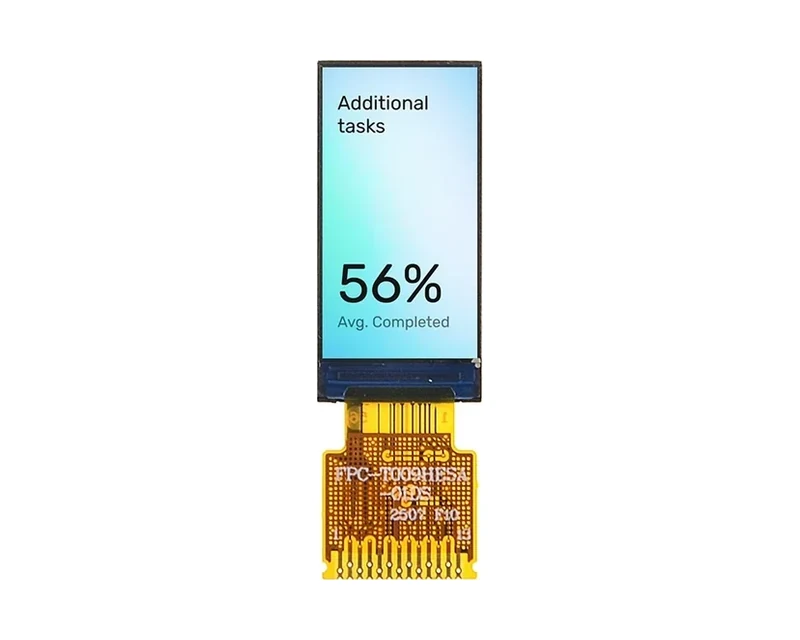
RG-T009HESA-01
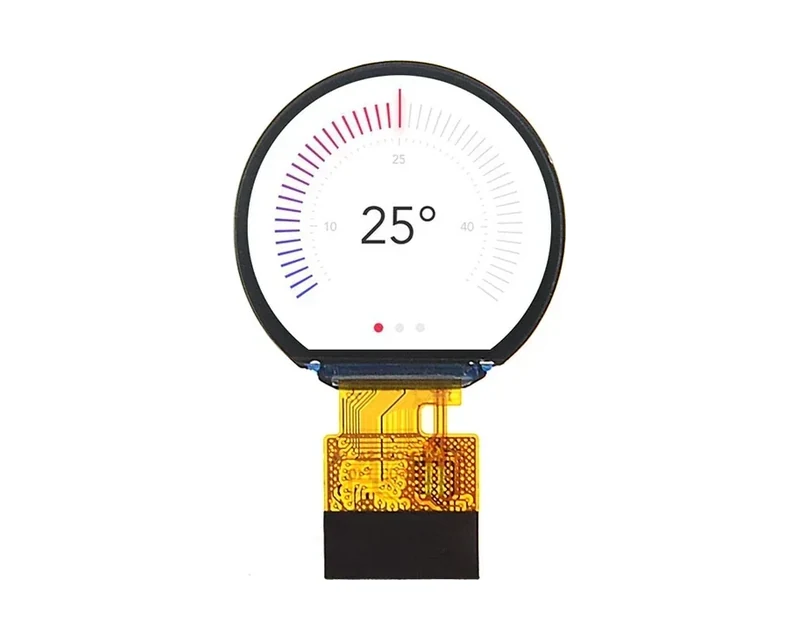
RG-T010BCSA-01
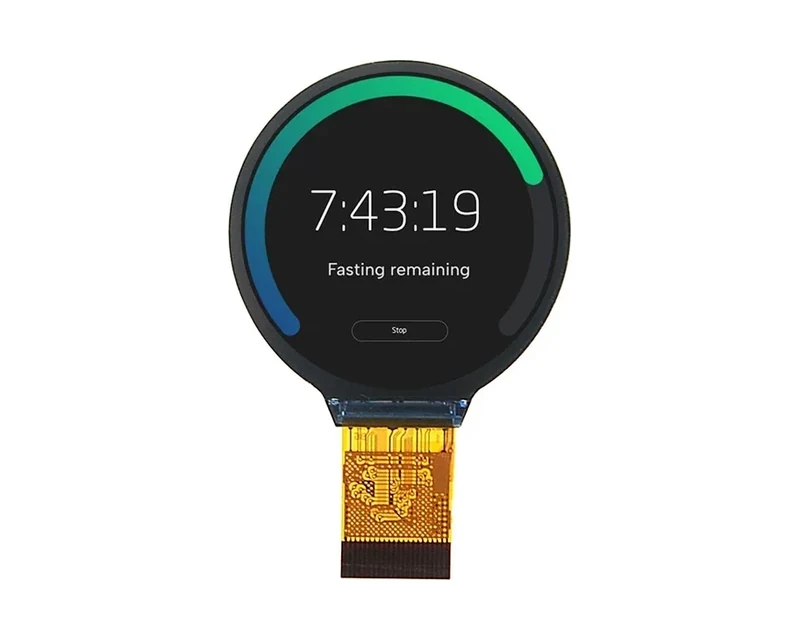
RG-T013HQGA-01
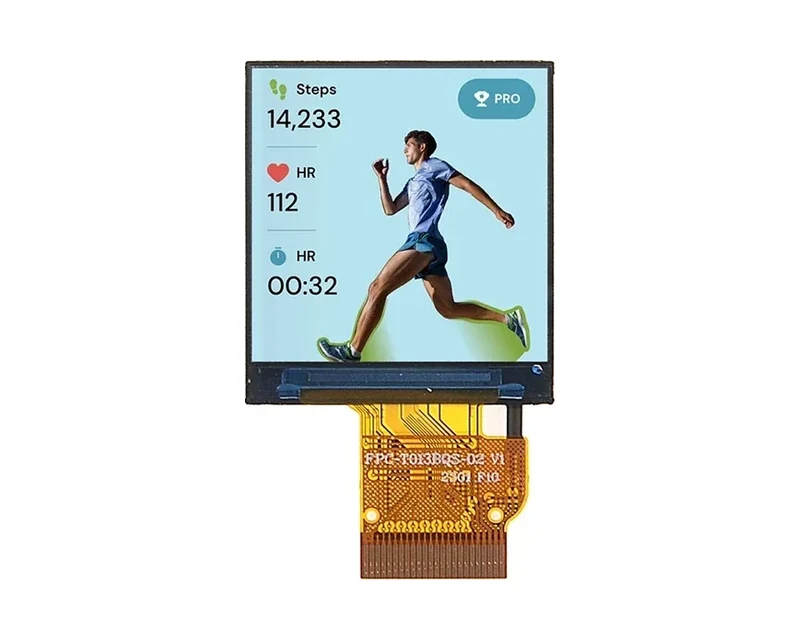
RG-T013BQSA-01
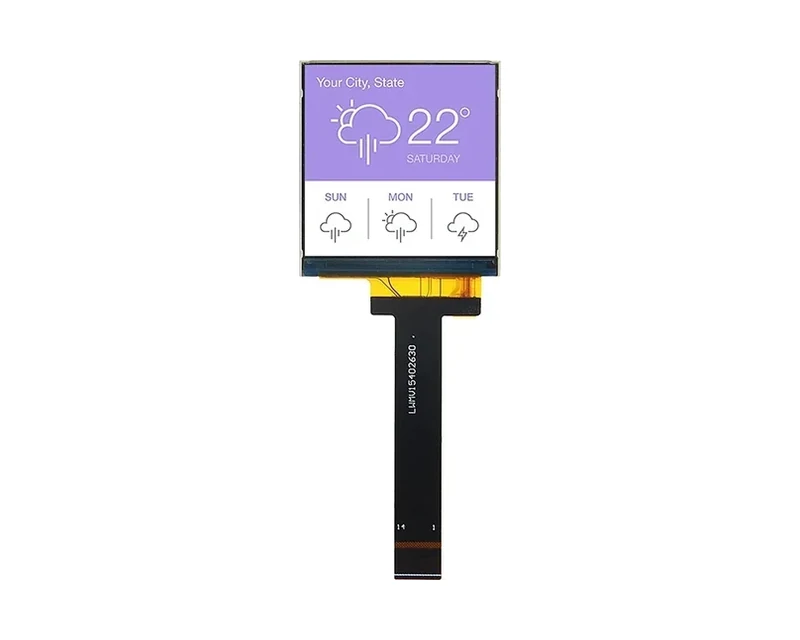
RG-T015BOSA-01
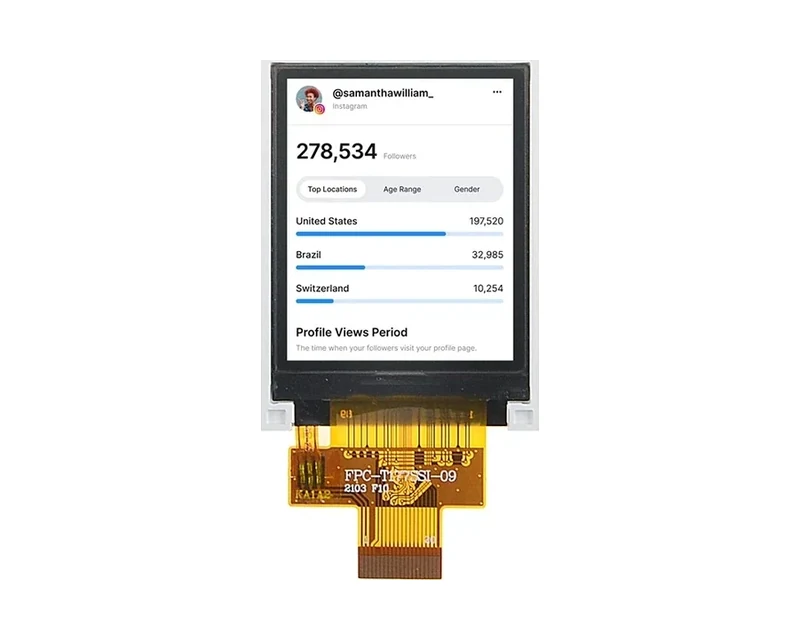
RG-T0177SSI-02
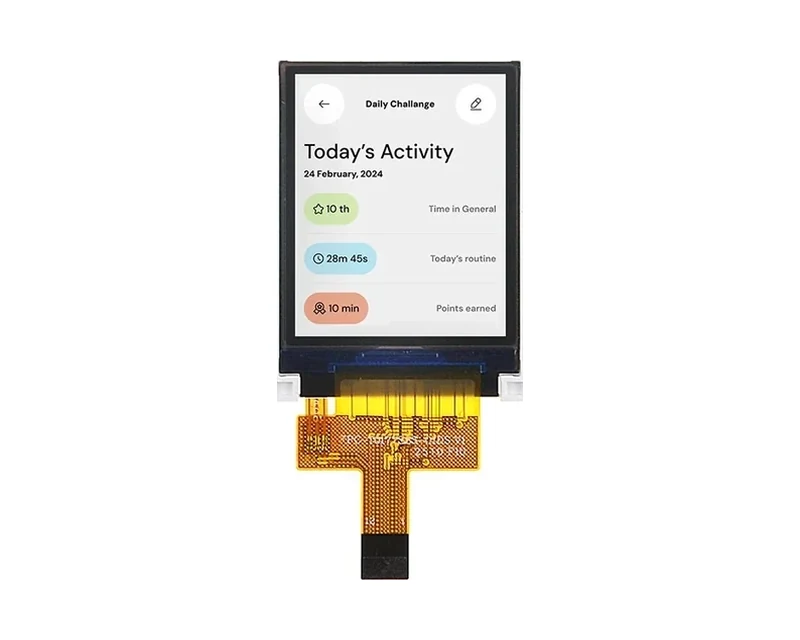
RG-T0177SSS-01
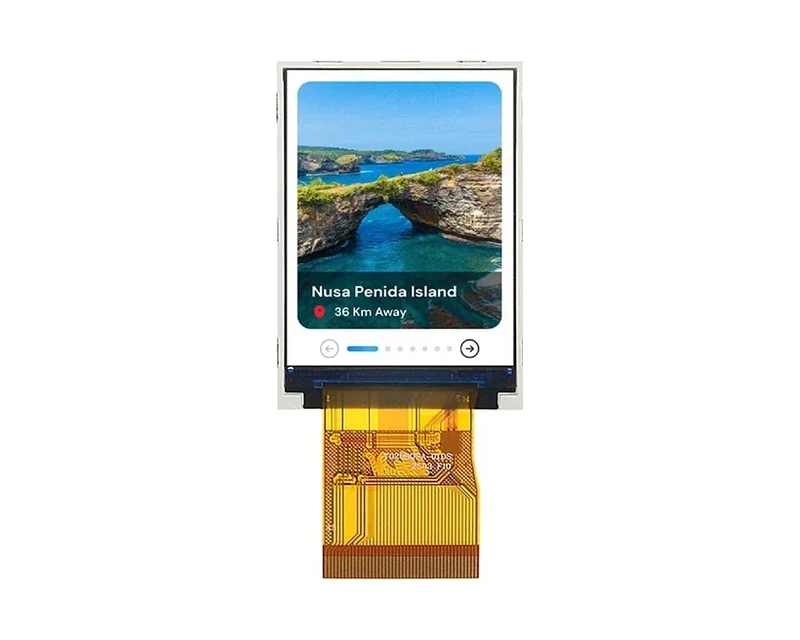
RG-T020BQSA-01
FAQ
Can you replace brand-name panels?
Yes. RONEN provides pin-to-pin compatible drop-in replacements for selected legacy Mitsubishi / Innolux panels. Electrical deviation is held within: supply voltage ±5%, brightness ±10%, contrast ±15%, signal timing ±3%. This is handled under our custom / ODM flow.
Can you stock and develop?
Yes. Our 72-engineer R&D team takes requirements from concept to EVT; for shaped / odd-form displays the concept-to-EVT cycle is 6–8 weeks with development quoted per project depending on structural complexity. FPC, backlight, cover-lens, bonding and interface are all customizable.
What display interfaces do your TFT modules support?
RONEN's 190+ model catalog spans the common industrial interfaces: RGB, LVDS, MIPI-DSI, SPI and 8080/6800 MCU (parallel). The exact interface for each model is listed on its product page, so you can match it to your controller without guessing.
If your board needs a different signaling or an adapter, our ODM team can re-layout the FPC or supply a bridge board — see the standard in-stock modules page.
Browse the full list on the products page.
Do you provide datasheets, drawings, 3D models and evaluation kits?
Yes. For every standard model in our 190+ model catalog we supply the datasheet (including the mechanical outline drawing); the 3D STEP model is available on request so your mechanical and firmware teams can begin layout before the first sample ships. Request them on the contact page.
For hands-on validation we ship evaluation / demo boards (TFT + driver, plus touch where applicable) and bare modules for sampling. The prototype / sampling cycle is 5–7 working days, and bridge-build quantities are confirmed per project.
Browse the full list on the products page and tell us the P/N you are evaluating.
What Can Be Customized on a TFT LCD Module
A standard TFT LCD module is a starting point, not a limit. RONEN's customization path lets a design keep the proven panel while changing the parts that touch your product. That keeps the supply base stable — we plan for 5+ year continuity on industrial programmes — while the form around the glass is shaped to your enclosure, bracket and cabling.
- Cover glass and touch. Shape, thickness, colour-printed borders, anti-glare or anti-fingerprint treatment, and capacitive or resistive touch integrated to the glass.
- FPC and connector. Re-layout the flexible circuit and move or re-pin the connector so the module drops onto your board without an adapter.
- Backlight and brightness. Re-engineer the backlight for a higher nits level or a different colour temperature without changing the panel.
- Mechanical shape. Cut the outline to a round, bar-type or other special shape where the standard rectangle will not fit.
Frequently asked questions
When should I choose a custom LCD module instead of a standard one?
Choose custom when the standard rectangle will not fit the enclosure, the connector or touch stack does not match your board, or the branding and optical treatment need to be specific to the product. If an off-the-shelf model already meets the size, interface and brightness, start from that and customize only the surrounding parts to save time and tooling.
Which parts of a TFT module can RONEN customize?
The cover glass, touch layer, FPC and connector, backlight brightness and colour temperature, and the mechanical outline can all be modified. The display driver and panel are kept as the proven base, so the customization changes the parts that fit your product rather than re-qualifying the whole module.