
Wide Temperature TFT LCD Displays — Extended Range Options
RONEN wide-temperature TFT LCD modules operate from −30 °C to +80/+85 °C for harsh outdoor, automotive, marine and industrial environments. Select from 27 extended-temperature standard models, or let us qualify a wide-temp variant of any catalog part.
- 27 standard modules rated −30 °C to +80 / +85 °C
- Automotive, marine, outdoor and fuel-dispenser ready
- Paired with sunlight-readable and capacitive-touch options
- Long-term supply continuity for industrial programs
33 standard models in this family
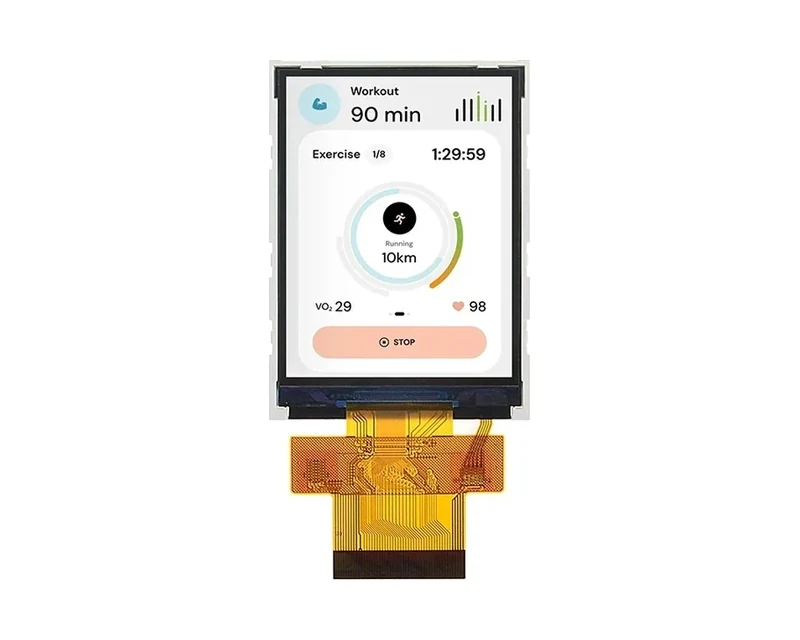
RG-T028GQSW-01
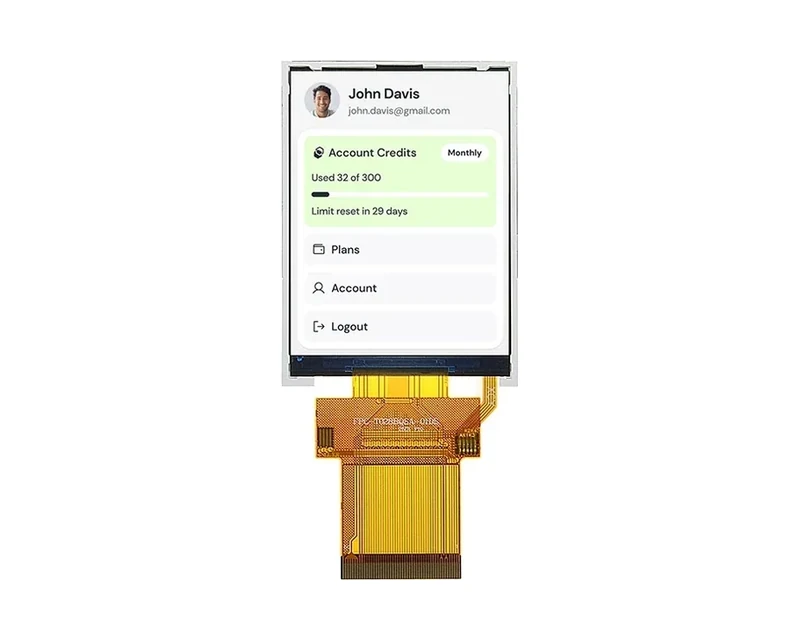
RG-T028BQSWA-01
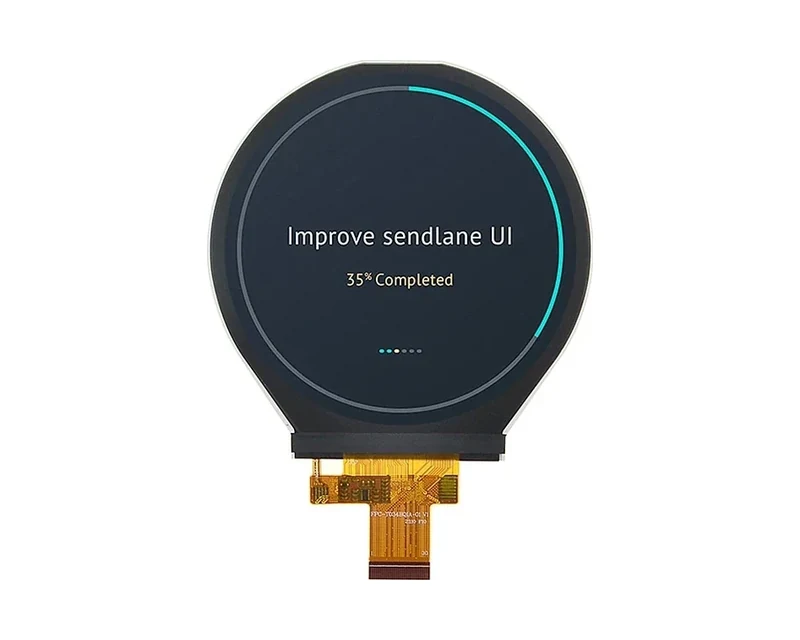
RG-T034BOIA-01
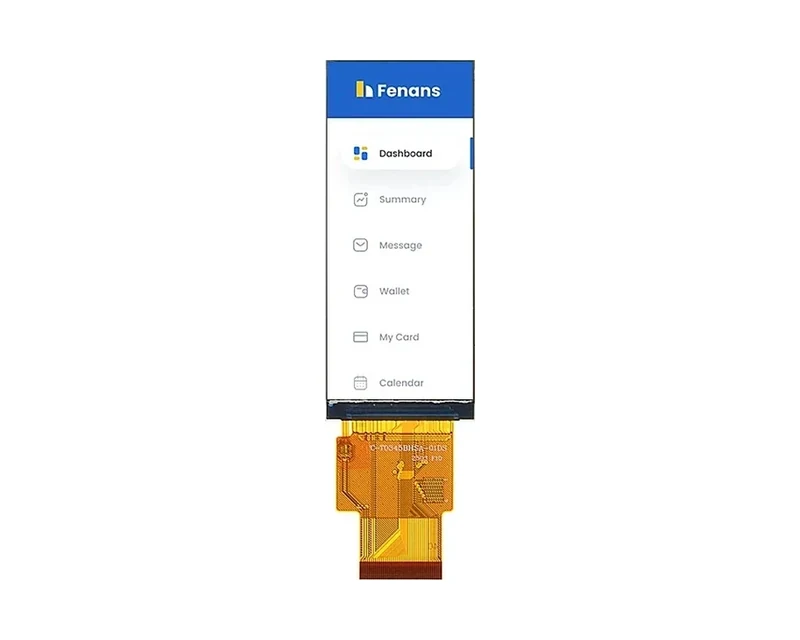
RG-T0345BHSA-01
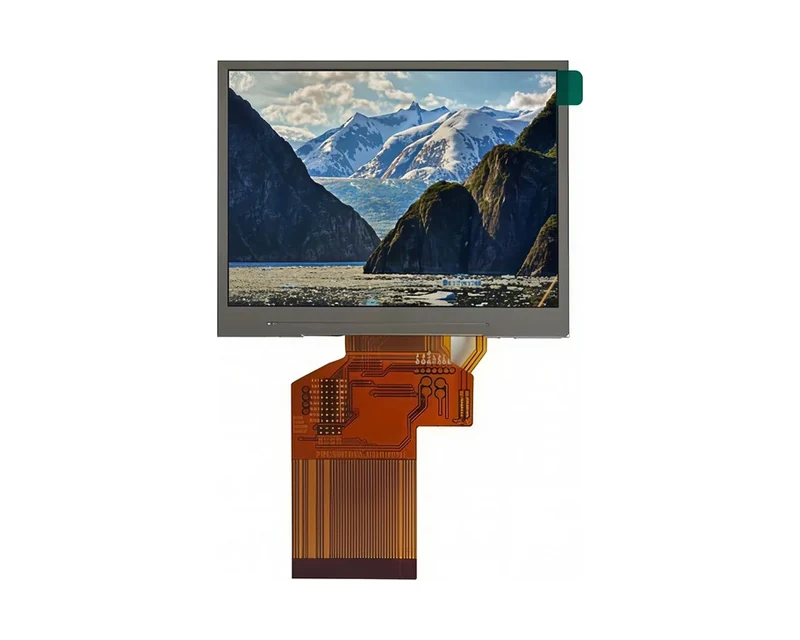
RG-T035HLWSA-01
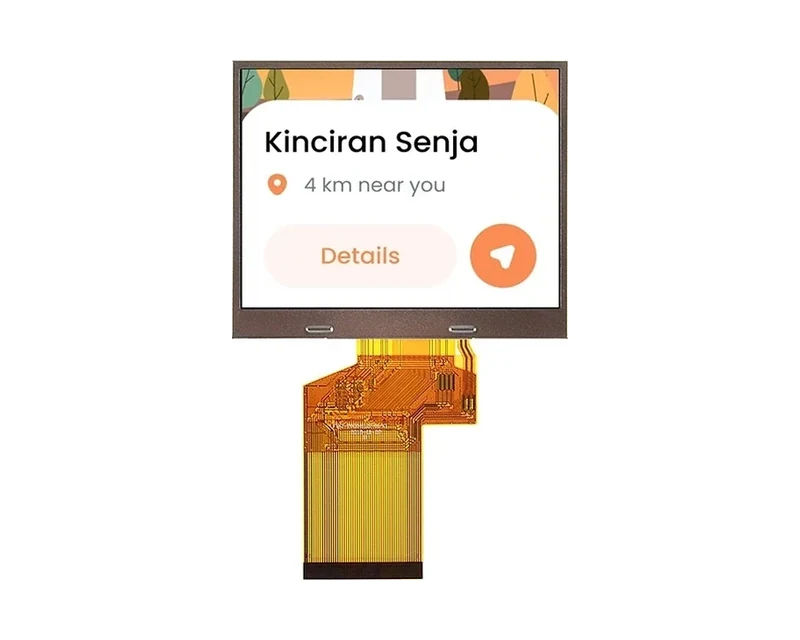
RG-T035HLSWA-01
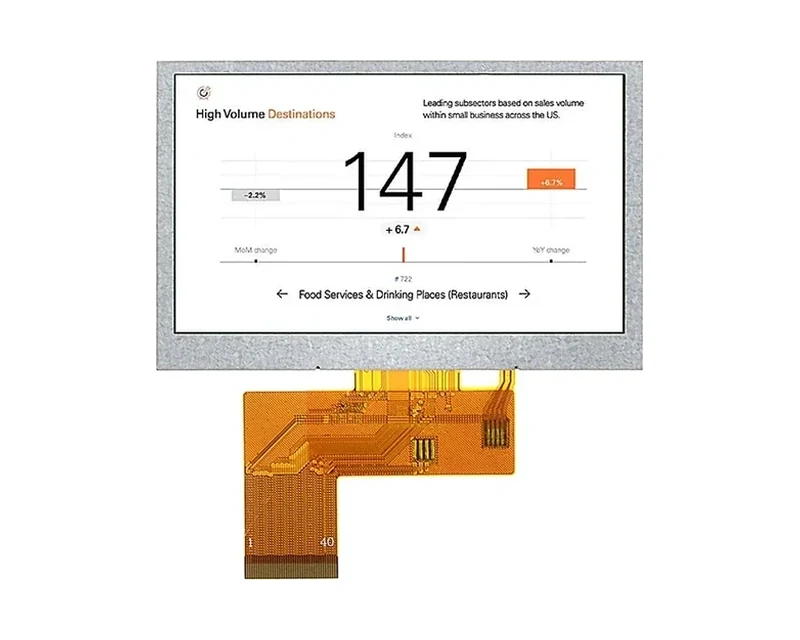
RG-T043BPSWA-02
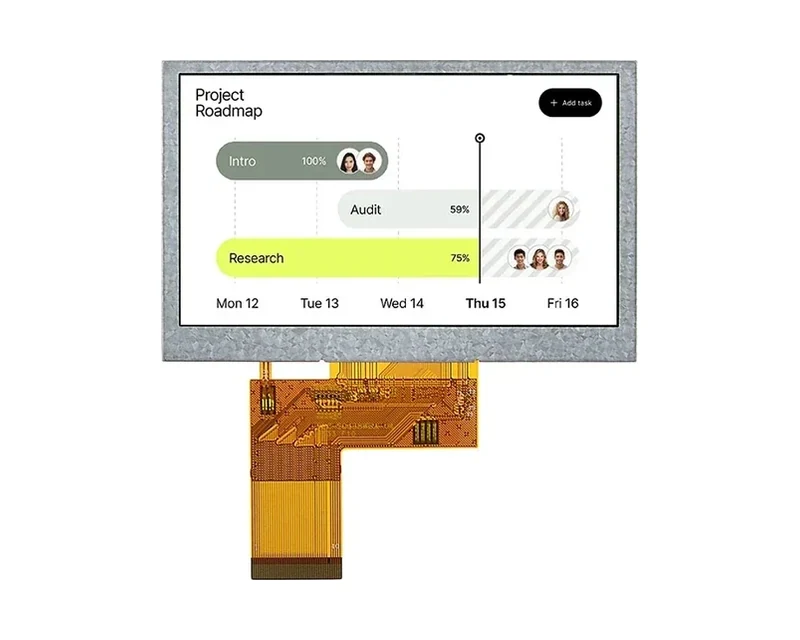
RG-T043BWSWA-02
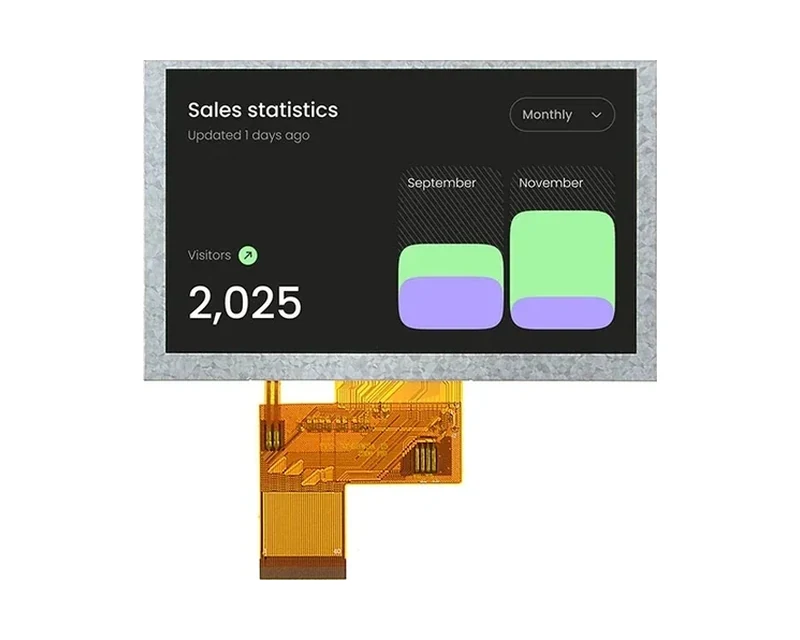
RG-T050BWSWA-02

RG-T050BWSWA-02CP

RG-T050BWSWA-02CA
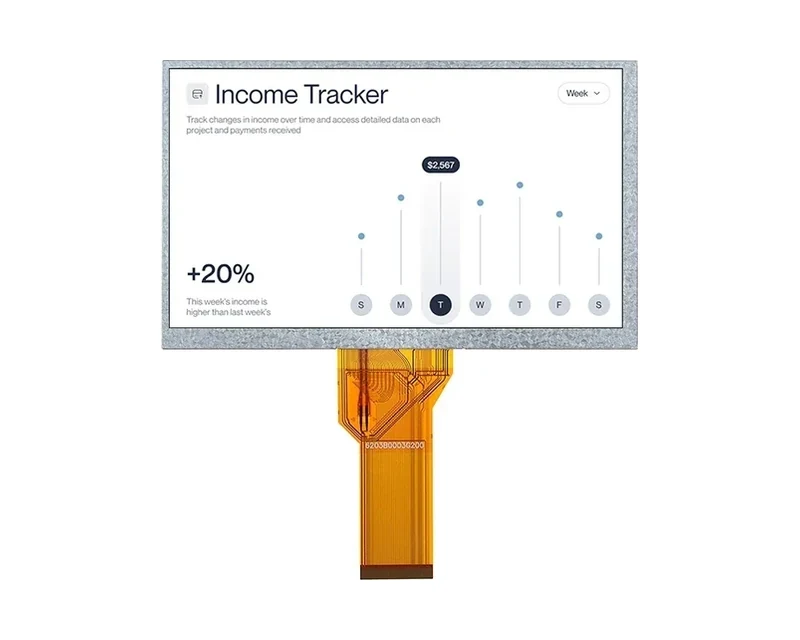
RG-T070QWHW-01
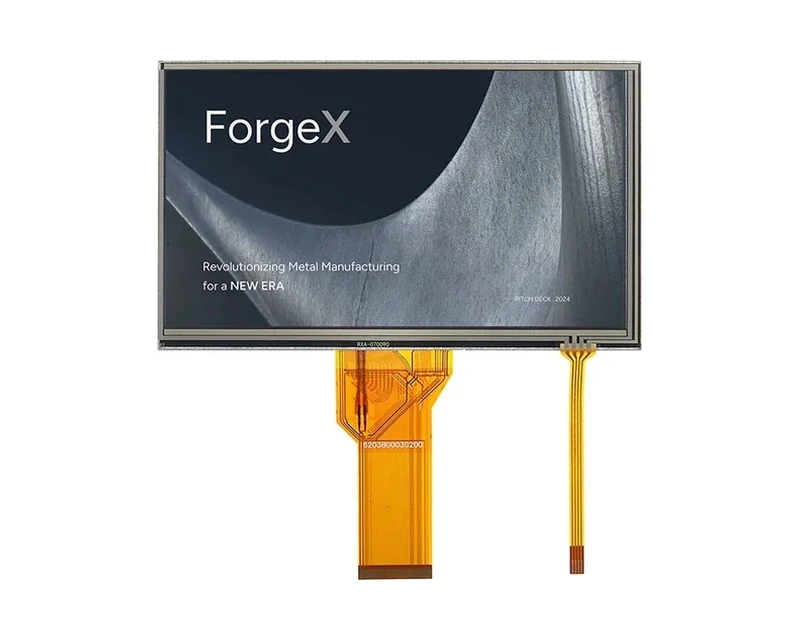
RG-T070QWHW-01P
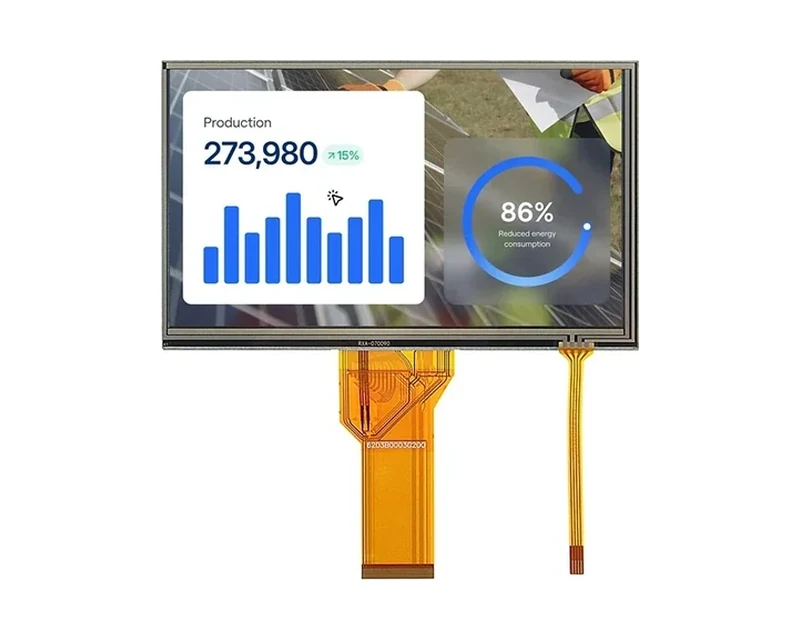
RG-T070QWHW-01CA
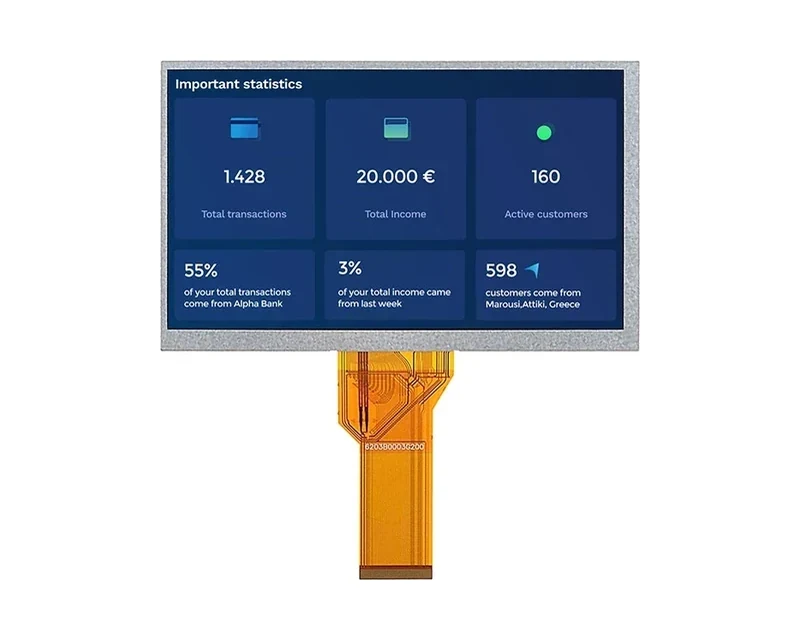
RG-T070QWHW-02
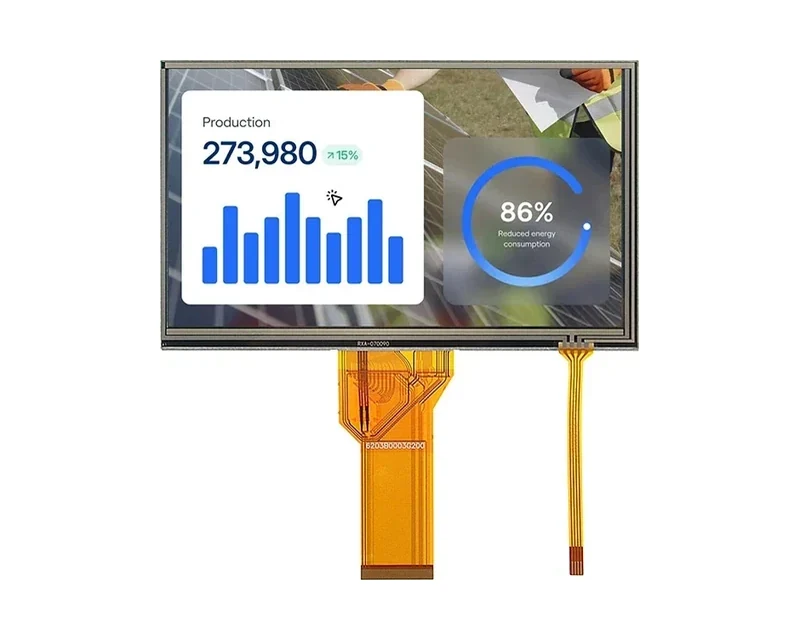
RG-T070QWHW-02P
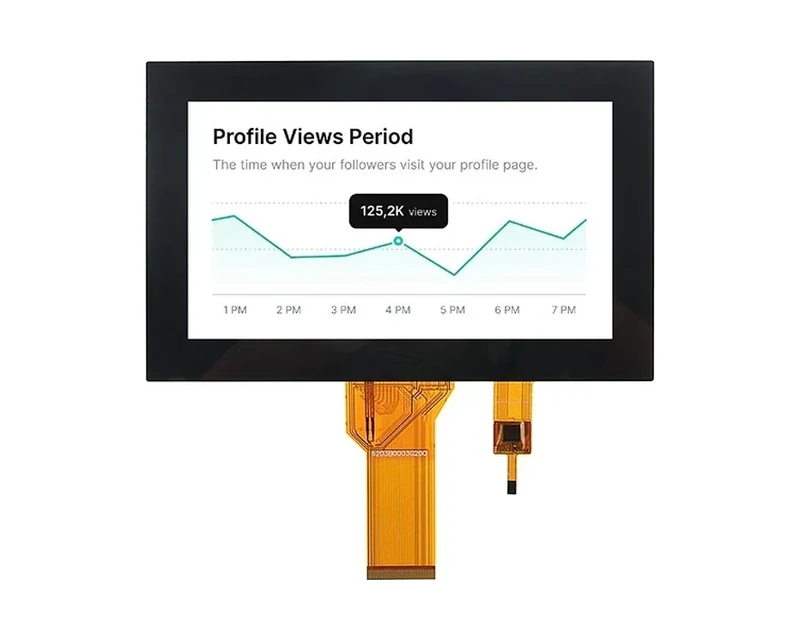
RG-T070QWHW-02CA
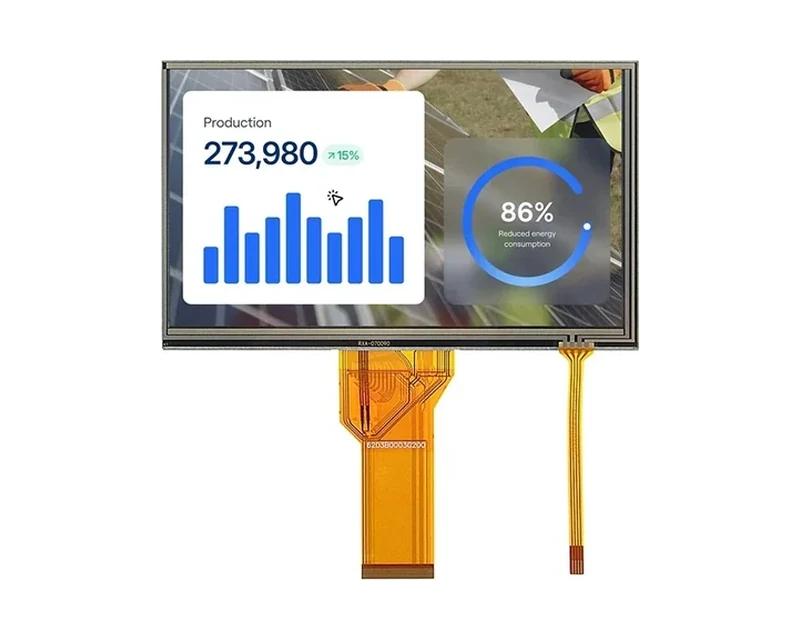
RG-T070QWHW-03CA

RG-T070SWHWA-01

RG-T070SWHWA-02

RG-T080BXEWA-01
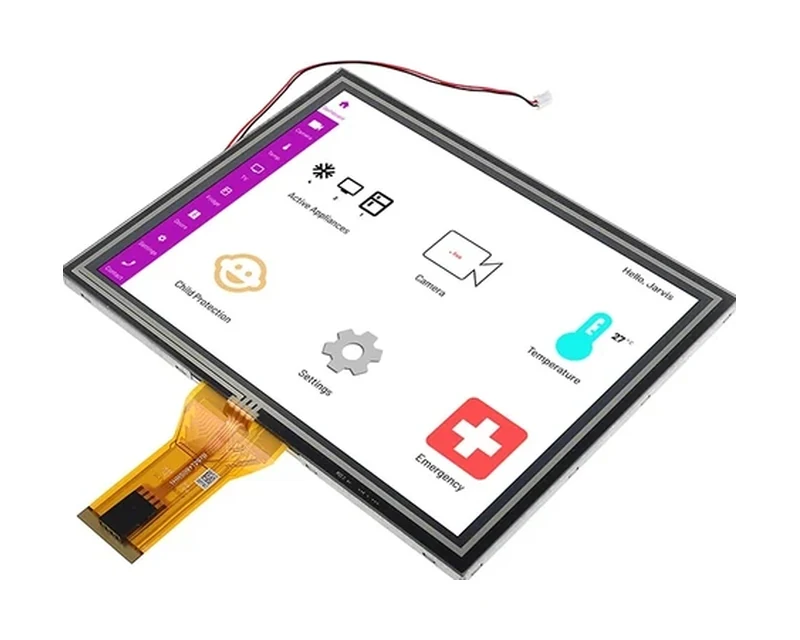
RG-T080BXEA-01CP
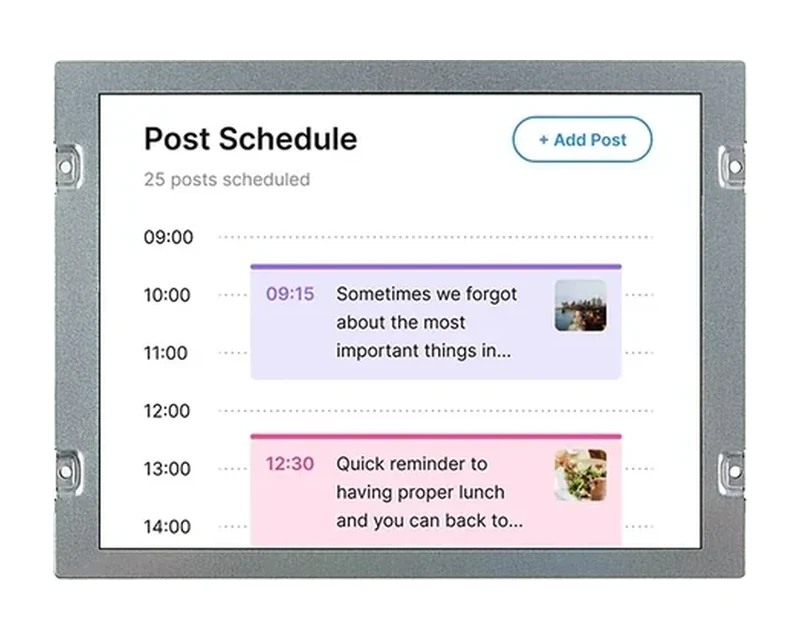
RG-T084BXJWA-01
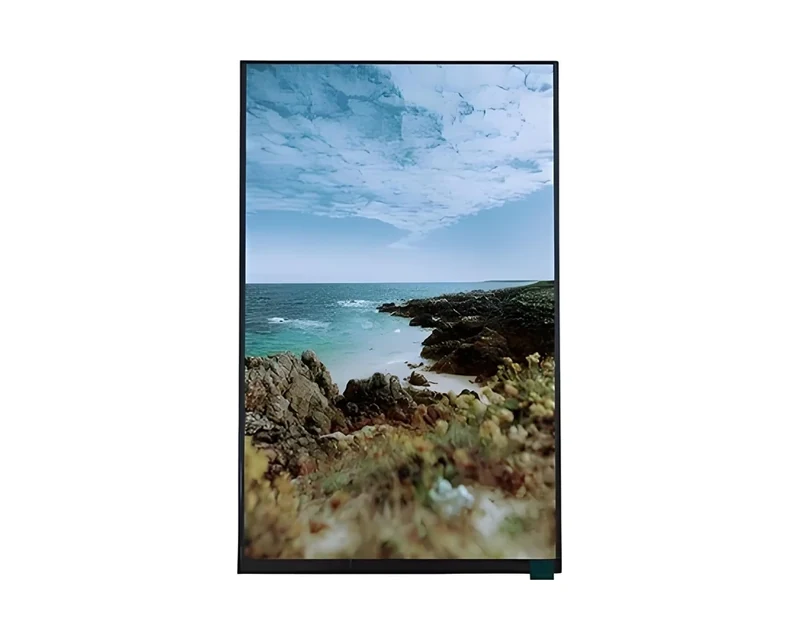
RG-T101BYEA-01ND

RG-T101HIEWA-01
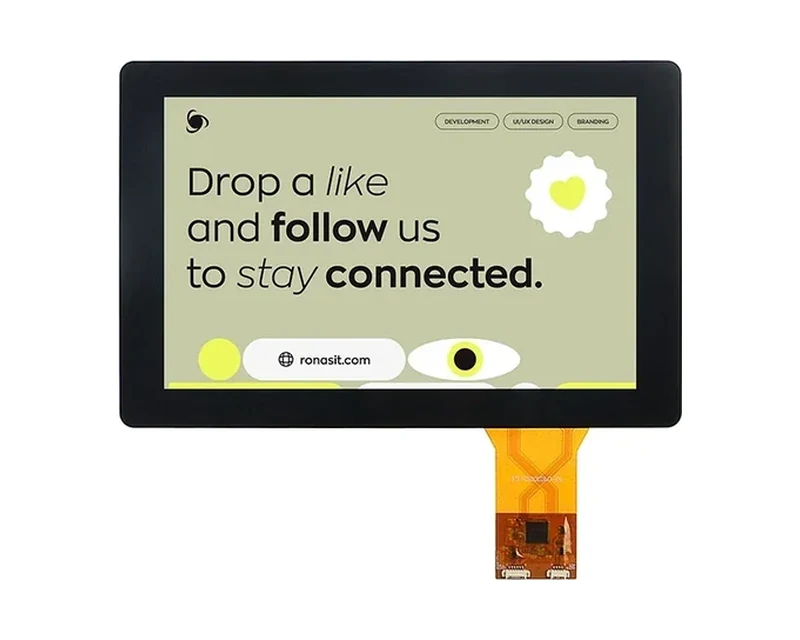
RG-T101HIEWA-01CP

RG-T101HIEWA-03
RG-T101HIEWA-04
RG-T121QXHA-02
RG-T156QFHWA-01
RG-T156BFHWA-02
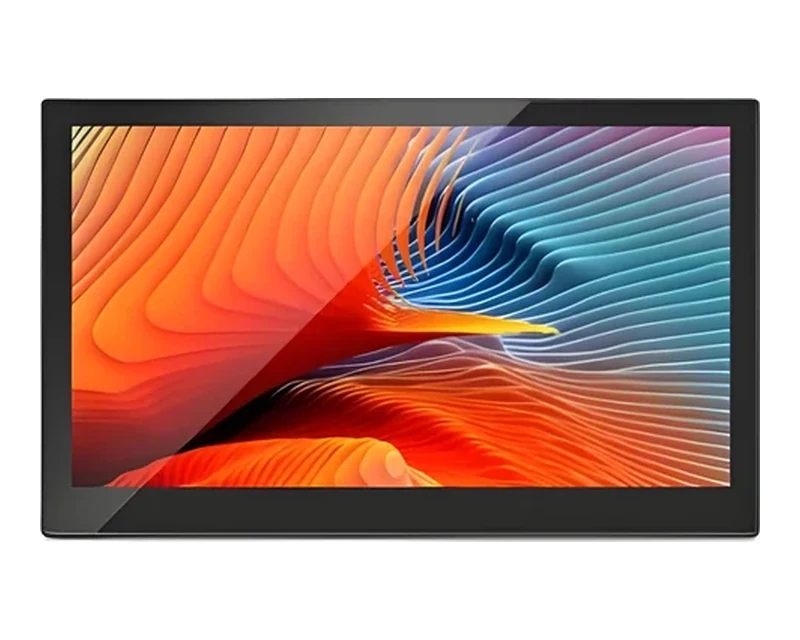
RG-T156BFHWA-02CP
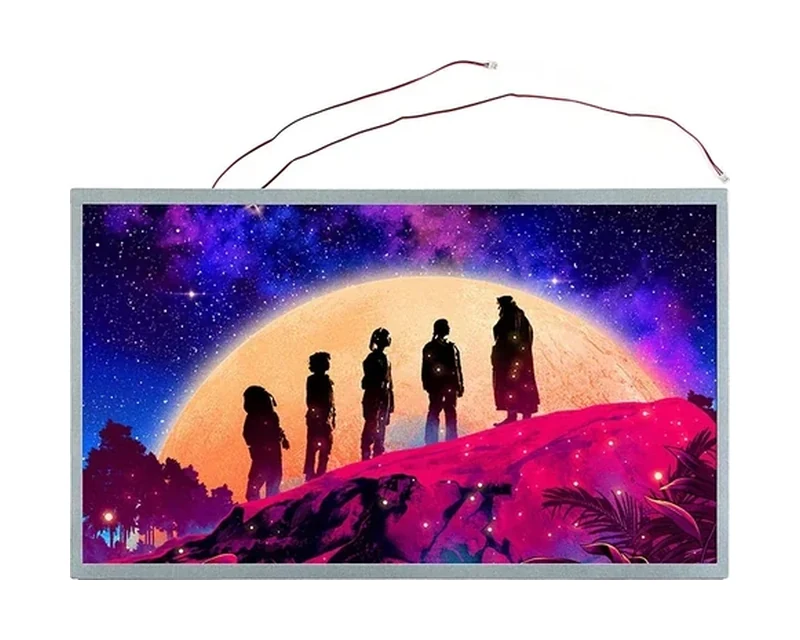
RG-T185BFHWA-02
Can’t find the exact model you need?
This is a standard model, and our online catalog shows only part of what we build. We hold additional models not listed here, and we can adjust brightness, interface, touch or outline within an existing product family, or evaluate a fully custom solution. If this model does not fully match your requirements, please email your specifications to sales@odmlcd.com. We’ll help you identify the right part or assess a custom option.
What “Wide Temperature” Means for a TFT LCD Module
A standard industrial TFT LCD module is typically specified for −20 °C to +70 °C operation. That range covers a factory floor, an indoor control cabinet and most shielded enclosures — but it does not cover a fuel dispenser in a northern winter, a harbour crane console, an unheated rail shelter, or a kiosk standing in direct sun with the enclosure interior climbing past 70 °C. A wide-temperature TFT LCD module extends the operating window, most commonly to −30 °C to +80 °C or +85 °C, and is built from parts selected and qualified for that window rather than simply re-labelled.
The distinction matters at the component level. Below roughly −20 °C the nematic liquid crystal becomes markedly more viscous, so pixel response slows: moving graphics smear, and a boot screen can look frozen for several seconds after power-up. Above roughly +70 °C the liquid crystal approaches its clearing point, where birefringence collapses and the panel loses contrast and then goes optically black. Neither failure is recoverable by software — both require parts chosen for the range.
Where a Standard Module Breaks — and What Has to Change
Widening the range is not one change but five, and a supplier who only changes one will ship a module that fails in the field:
- Liquid crystal formulation. A wide-temperature LC mixture holds usable viscosity at −30 °C and pushes the clearing point above +85 °C. This is the single largest driver of the extended window.
- Backlight LED binning and drive. LED forward voltage rises as temperature falls, so a fixed-current driver is required to hold brightness stable across the range. Cold-start inrush also has to be limited.
- Polarizer and adhesive stack. Standard polarizers and OCA can delaminate or crack under thermal cycling. Wide-temperature builds use film stacks rated for the full cycle count.
- Driver IC and FPC. The source/gate drivers and the flexible printed circuit must be rated across the window, not just at 25 °C.
- Verification. The module is cycled and soaked at both extremes, then powered and inspected — not simply assumed compliant from the cell datasheet.
Wide-Temperature Standard Models
The models below are RONEN standard parts rated for operation from −30 °C, drawn from our 33-part wide-temperature range. Every part number links to its own page with the full datasheet, mechanical drawing, active area and outline dimensions.
| Model | Size | Resolution | Panel | Luminance | Interface | Operating temp. |
|---|---|---|---|---|---|---|
| RG-T028BQSWA-01 | 2.8″ | 240x320 | IPS | 350 cd/m² | RGB / SPI / MCU | -30 °C |
| RG-T028GQSW-01 | 2.8″ | 240x320 | TN | 350 cd/m² | RGB / SPI / MCU | -30 °C |
| RG-T034BOIA-01 | 3.4″ | 800x800 | IPS | 1000 cd/m² | MIPI | -30 °C |
| RG-T0345BHSA-01 | 3.45″ | 340x800 | IPS | 400 cd/m² | RGB | -30 °C |
| RG-T035HLSWA-01 | 3.5″ | 320x240 | IPS | 1200 cd/m² | RGB | -30 °C |
| RG-T035HLWSA-01 | 3.5″ | 320x240 | IPS | 900 cd/m² | RGB | -30 °C |
| RG-T043BPSWA-02 | 4.3″ | 480x272 | IPS | 700 cd/m² | RGB | -30 °C |
| RG-T043BWSWA-02 | 4.3″ | 800x480 | IPS | 900 cd/m² | RGB | -30 °C |
| RG-T050BWSWA-02 | 5.0″ | 800x480 | IPS | 1000 cd/m² | RGB | -30 °C |
| RG-T050BWSWA-02CA | 5.0″ | 800x480 | IPS | 850 cd/m² | RGB | -30 °C |
| RG-T050BWSWA-02CP | 5.0″ | 800x480 | IPS | 850 cd/m² | RGB | -30 °C |
| RG-T070QWHW-01 | 7.0″ | 800x480 | TN | 550 cd/m² | RGB | -30 °C |
| RG-T070QWHW-01CA | 7.0″ | 800x480 | TN | 500 cd/m² | RGB | -30 °C |
| RG-T070QWHW-01P | 7.0″ | 800x480 | TN | 480 cd/m² | RGB | -30 °C |
| RG-T070QWHW-02 | 7.0″ | 800x480 | TN | 1000 cd/m² | RGB | -30 °C |
| RG-T070QWHW-02CA | 7.0″ | 800x480 | TN | 850 cd/m² | RGB | -30 °C |
| RG-T070QWHW-02P | 7.0″ | 800x480 | TN | 850 cd/m² | RGB | -30 °C |
| RG-T070QWHW-03CA | 7.0″ | 800x480 | TN | 400 cd/m² | RGB | -30 °C |
| RG-T070SWHWA-01 | 7.0″ | 800x480 | IPS | 1000 cd/m² | LVDS | -30 °C |
| RG-T070SWHWA-02 | 7.0″ | 800x480 | IPS | 500 cd/m² | LVDS | -30 °C |
| RG-T080BXEA-01CP | 8.0″ | 1024x768 | IPS | 250 cd/m² | LVDS | -30 °C |
| RG-T080BXEWA-01 | 8.0″ | 1024x768 | IPS | 300 cd/m² | LVDS | -30 °C |
| RG-T084BXJWA-01 | 8.4″ | 1024x768 | TN | 500 cd/m² | LVDS | -30 °C |
| RG-T101BYEA-01ND | 10.1″ | 800x1280 | IPS | 300 cd/m² | MIPI | -30 °C |
| RG-T101HIEWA-01 | 10.1″ | 1280x800 | IPS | 1000 cd/m² | LVDS | -30 °C |
| RG-T101HIEWA-01CP | 10.1″ | 1280x800 | IPS | 850 cd/m² | LVDS | -30 °C |
| RG-T101HIEWA-03 | 10.1″ | 1280x800 | IPS | 1000 cd/m² | LVDS | -30 °C |
| RG-T101HIEWA-04 | 10.1″ | 1280x800 | IPS | 500 cd/m² | LVDS | -30 °C |
| RG-T121QXHA-02 | 12.1″ | 1024x768 | IPS | 600 cd/m² | LVDS | -30 °C |
| RG-T156BFHWA-02 | 15.6″ | 1920x1080 | IPS | 1000 cd/m² | LVDS | -30 °C |
| RG-T156BFHWA-02CP | 15.6″ | 1920x1080 | IPS | 850 cd/m² | — | -30 °C |
| RG-T156QFHWA-01 | 15.6″ | 1920x1080 | IPS | 1000 cd/m² | LVDS | -30 °C |
| RG-T185BFHWA-02 | 18.5″ | 1920x1080 | IPS | 1500 cd/m² | LVDS | -30 °C |
If none of these match your size or interface, the same wide-temperature construction can be applied as a custom build — see our custom ODM LCD solutions for how a private-tooling programme runs from glass selection to qualification.
Specifying a Wide-Temperature Display: An Engineering Checklist
When you write the display line into your specification, these are the questions that decide whether the module survives its first winter:
- Cold-start behaviour. What is the required readable-image time after power-up at −30 °C? If the answer is “immediately”, a heater film is part of the design, not an accessory.
- Storage versus operating range. Storage is always wider than operating. Confirm both, and confirm the module is specified at the enclosure interior temperature, not the ambient weather figure.
- Brightness at temperature. Backlight output falls at cold and the LED de-rates at heat. Ask for the luminance figure across the range, not only the 25 °C typical value.
- Thermal cycling count. How many −30/+85 cycles must the unit survive in service life? This drives the adhesive and film selection.
- Response time at the extreme. If the UI animates, get the response figure at −30 °C, not the datasheet 25 °C number.
- Sealing and condensation. A sealed enclosure that breathes will condense on the cold polarizer. Decide early whether a breather membrane or conformal approach is used.
Where Wide-Temperature Modules Are Used
Typical programmes we support, and the temperature driver in each:
- Fuel dispensers and payment terminals — unheated outdoor enclosures that see both sub-zero nights and solar-loaded interiors. See POS terminal displays.
- Railway and rolling stock — passenger information and driver consoles with wide seasonal swings and vibration on top. See railway displays.
- Marine and harbour equipment — salt fog plus temperature; usually specified with marine and outdoor displays.
- Outdoor kiosks and self-service terminals — solar gain pushes interior temperature well above ambient. See kiosk and self-service displays.
- Cold-chain and warehouse equipment — forklift terminals and cold-room HMIs that start at −25 °C.
- Instrument clusters and agricultural machinery — see instrument cluster displays.
Supply Continuity for Long Industrial Programmes
A wide-temperature module is rarely a spot buy — it goes into a product with a ten-year field life. RONEN holds standard models in stock and supports 5+ year supply continuity for industrial programmes, with advance notice on any change that would affect form, fit or function. Order quantities are confirmed per project rather than fixed at a single figure, so both pilot builds and volume runs are supported. Where a legacy panel is being replaced, we also cross-check the mechanical outline and interface against the original — see compatible LCD replacements and our guide to drop-in replacement of discontinued LCDs.
FAQ
Do wide-temperature modules really operate -30°C to +85°C?
Yes. 33 standard models are rated for -30°C operation (storage down to -40°C, with the extended range qualified to +85°C / -40~+90°C on request). Each lot ships with temperature-cycle verification, and a third-party high-low temperature cycling report (≥500 cycles, -40~+90°C) is available on request.
See the wide-temperature display line.
What temperature range counts as a “wide temperature” LCD module?
A standard industrial TFT LCD module is usually rated −20 °C to +70 °C. A wide-temperature module extends that window, most commonly to −30 °C to +80 °C or +85 °C, using a wide-temperature liquid crystal formulation, a constant-current backlight drive, and film and adhesive stacks rated for thermal cycling. RONEN holds 33 standard models rated from −30 °C.
Why does an LCD look slow or frozen when it is very cold?
The liquid crystal becomes more viscous as temperature falls, so pixel response slows sharply. At −30 °C a standard panel can take several seconds after power-up to show a clean image, and moving graphics smear. Wide-temperature LC mixtures reduce this, and where an instant image is required at cold start, a heater film is designed into the module.
What happens to a TFT LCD above its maximum operating temperature?
As the panel approaches the liquid crystal clearing point, birefringence collapses: contrast falls away and the screen can go optically black. The condition is reversible once the panel cools, but the excursion itself is a field failure. Panels for hot enclosures should be specified with the enclosure interior temperature, not the outdoor ambient figure.
Do wide-temperature modules also need high brightness?
Often, but they are separate specifications. Wide temperature addresses the liquid crystal, backlight drive and film stack; high brightness addresses the LED count and drive current. Outdoor equipment frequently needs both, because solar gain raises the enclosure interior temperature at the same time as it raises the ambient light on the panel face.
How is a wide-temperature build verified?
The module is soaked at both temperature extremes and thermally cycled across the specified range, then powered and inspected for image quality, response time and luminance at temperature. Verification is done on the built module rather than inferred from the cell datasheet.
What is an extended temperature display?
An extended (or wide) temperature display is a TFT LCD module qualified to operate well beyond the standard −20 °C to +70 °C industrial window - typically −30 °C to +80/+85 °C, with storage down to −40 °C. RONEN qualifies 33 standard wide-temperature models to this extended range, so they suit outdoor, automotive, railway and marine equipment that sees temperature swings a normal panel cannot survive.
Is "extended temperature" the same as "wide temperature"?
Yes - suppliers use "extended temperature display" and "wide-temperature display" interchangeably; both describe an LCD module rated beyond the standard industrial range. The figure that matters is the operating range printed on the datasheet, not the wording of the marketing term.